


In last Saturday’s article, I explored the animacy of paths. I introduced the idea that the ways we travel attract us, remember decisions, edit choices and choreograph movement.
But living paths are far from the only beings we share the world with. Whether we meet trees, rivers or rocks, the places we walk are alive.
Three contemporary thinkers can help orient us to the reality of moving through a complex community of interconnected, animate beings. Anthropologist Nurit Bird‑David shares the lives of South Indian forest‑dwellers and their more-than-human kin. Scholar Graham Harvey provokes us with an animist manifesto. Emma Restall Orr, philosopher and poet, introduces a new metaphysics of the wakeful world.
Together, they sketch a way of being with life itself, and they offer us some practical invitations for animist adventures.
Animist perspectives
Nurit Bird‑David begins not with grand philosophy but simple observations of the everyday life of the Nayaka, a small foraging community in South India. As an anthropologist, she spent many years working with South Indian forest peoples, later revisiting her field notes for her book, Us, Relatives.
For the Nayaka, Bird-David observed, wherever there were people, there were also devaru, superpersons who might be hills, stones, elephants, or the presences that show up in trance dances.
Bird‑David noticed two things. First, Nayaka personhood is relational. A person is anyone we share food, space and stories with. Second, devaru are not invisible souls hiding in things. They appear in relationships and events: a stone that jumps into someone’s lap while they’re digging roots, an elephant that walks gently between houses at night and meets a human gaze. In those moments of mutual responsiveness, the Nayaka recognise a person.
Animism is best understood not as a philosophy of being but as a relational way of knowing.
British religious studies scholar Graham Harvey opens his Animist Manifesto with a punchier claim: “All that exists lives. All that lives is worthy of respect.”
If we take his manifesto seriously, he suggests, we should probably stop talking about objects and resources and start talking about persons. Other‑than‑human persons, other‑than‑oak persons, even other‑than‑rock persons.
Harvey is interested in the etiquette of animism. How do we approach, listen to and sometimes eat these other persons? Respect, he writes, is “taking care of, caring for, caring about, being careful about”, and it’s always worked out in relationship. You don’t have to like someone to respect them. You might even eat them, if you’ve negotiated it properly.
Emma Restall Orr goes deeper into the philosophical thicket. I was once privileged to spend a mind-expanding afternoon with her on a druid retreat, and her writing at the intersection of spirituality, ethics and philosophy is always thought-provoking. In her book, The Wakeful World, she argues that nature has inherent value because it is comprehensively minded.
The world, she proposes, is not a pile of dead stuff with consciousness accidentally glued on. Everything in nature has an inner life and awareness. She tracks Western arguments about the separation of mind and matter, then offers animism as an integrated metaphysics. Thinking and being, she proposes, are inseparable aspects of one living reality.
In Restall Orr’s universe, an animist is someone who lives “within a self‑aware cosmos full of engaging subjects”, and who seeks to align their ethics with this wakeful nature.
Though these writers have three distinct perspectives - ethnographic, activist and metaphysical - they converge on a simple idea. The world is a community of more‑than‑human persons, and how we behave among them matters.
So how do we start to live as if that’s true?
Practice one: Educate your attention
In Bird‑David’s observations of the Nayaka, they did not sit around debating theories of the soul. They learned, over a lifetime, how to notice what was happening between themselves and others. Stones, elephants, hills and weather all became devaru when they entered into social, responsive relationships.
You can borrow this as a quiet practice. Choose a place or being you regularly meet, like a particular tree on your morning walk, a bend in the river, or a patch of waste ground where nettles and dock leaves negotiate an uneasy truce.
Visit attentively and often. Notice what is changing in them and what shifts in you, like colours, sounds, your mood, the quality of your attention.
Track moments of mutual responsiveness. Notice when the jackdaw stares at you intently as you watch it, or when a sudden gust of wind interrupts your thoughts at exactly the right time. Don’t rush to explain. Just acknowledge that something happened between you.
Bird‑David calls this educating the attention rather than collecting beliefs. Consider it an apprenticeship in noticing relatedness.
Practice two: Learn animist etiquette
Harvey’s manifesto is full of small reminders that respect is practical. If you truly hold that all that exists is alive and worthy of respect, you will find yourself behaving differently.
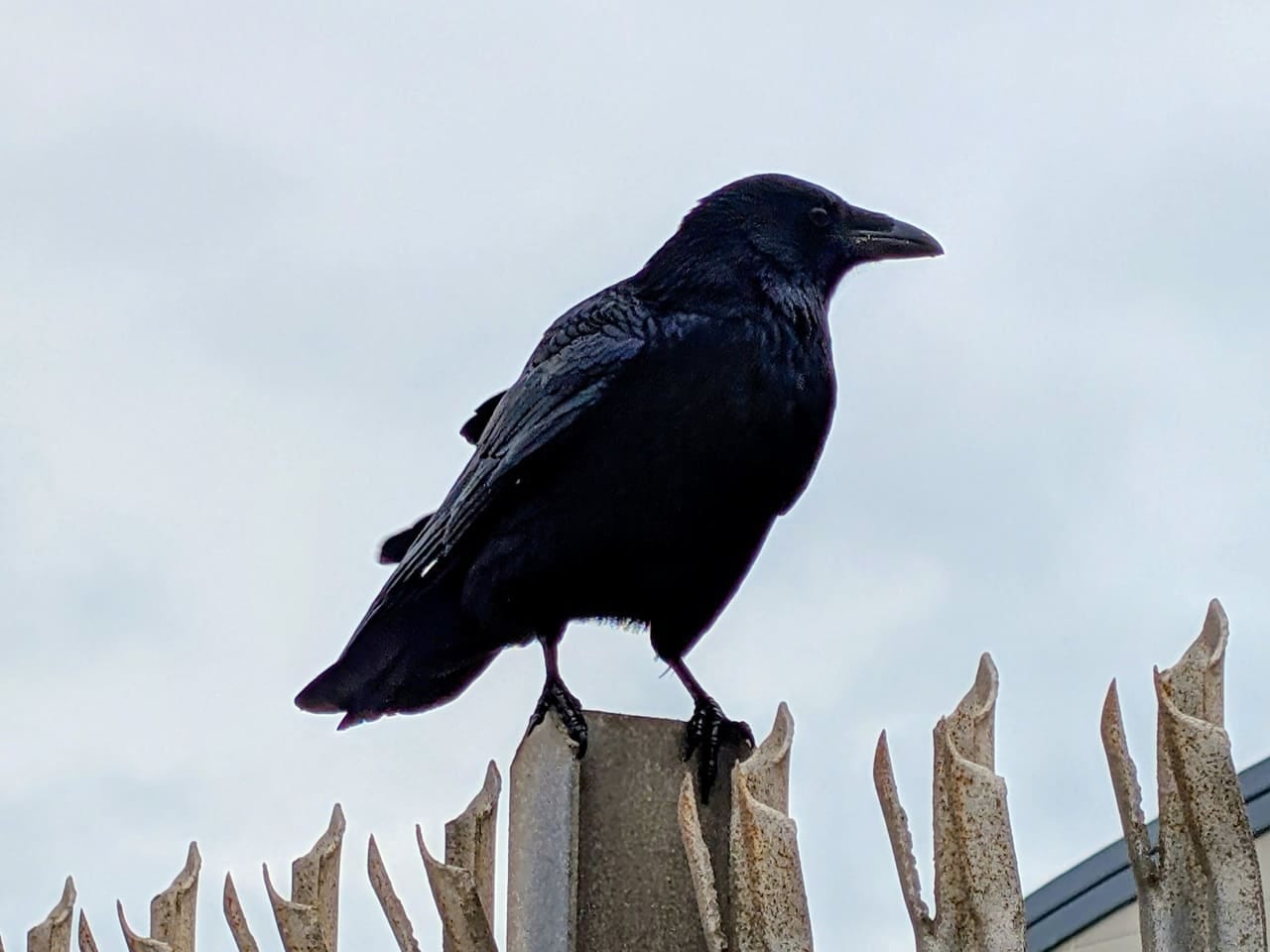
As you walk through the world, experiment with animist manners. Speak to other beings as persons, not things. Acknowledge the tree as your neighbour. Greet the crow that crosses your path as you would any human. Notice what shifts in you when you alter your approach.
If you feel drawn to a feather, a shell or a handful of wild garlic, pause. Ask (silently is fine), “may I?” See what your body says in reply. If you take it, offer something, like your attention, breath or simply a promise to use it well.
Harvey warns against hugging trees you don’t know without introduction. A smile, a name, a first conversation: for the slow-growing oak, relationships evolve over time.
Practice three: Walk wakefully
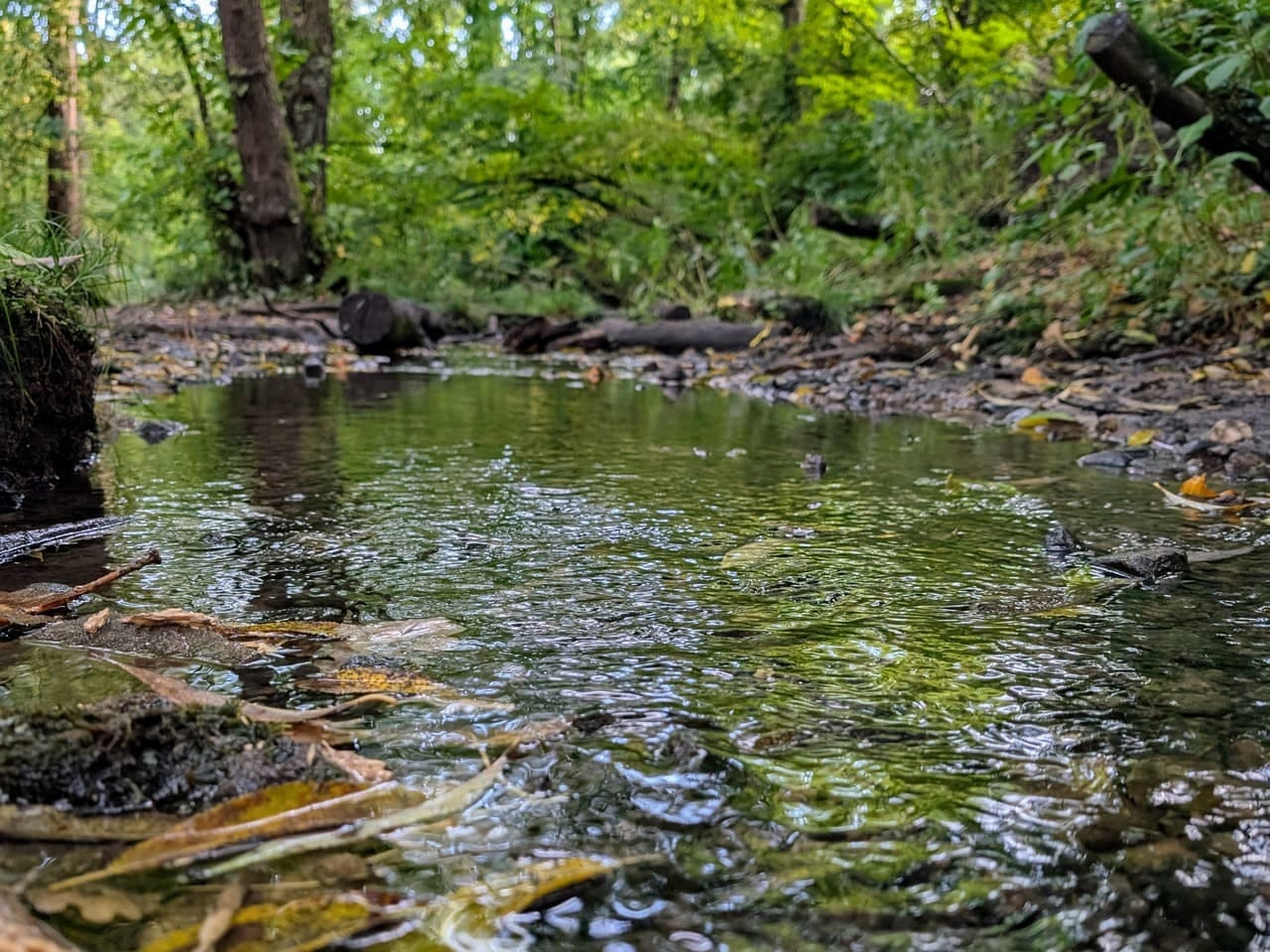
Restall Orr is interested in the stories that underpin our habits and beliefs. For several hundred years, many of us in the West were taught that only humans have real minds, and that everything else is a mechanism. What would happen if we no longer believed that?
Her animist metaphysics lends itself to a gentle but radical experiment. As you step outside, try this thought: “Everything I meet today is awake.” It may not necessarily be aware like you are, but what if every being you encounter is capable of experience, response and significance?
Let this guide small choices. If the world is wakeful, how do you park your car? How do you prune a hedge? How do you throw things away, knowing there is no “away” that is not someone else’s home?
It's OK to feel silly, sentimental or irrational. Your reactions are evidence of your training in materialism, not proof that the world is inert.
Restall Orr doesn’t ask you to blindly agree to a new set of beliefs, but just to see what becomes of your ethics when you assume that you are always surrounded by other beings of value.
Practical animism
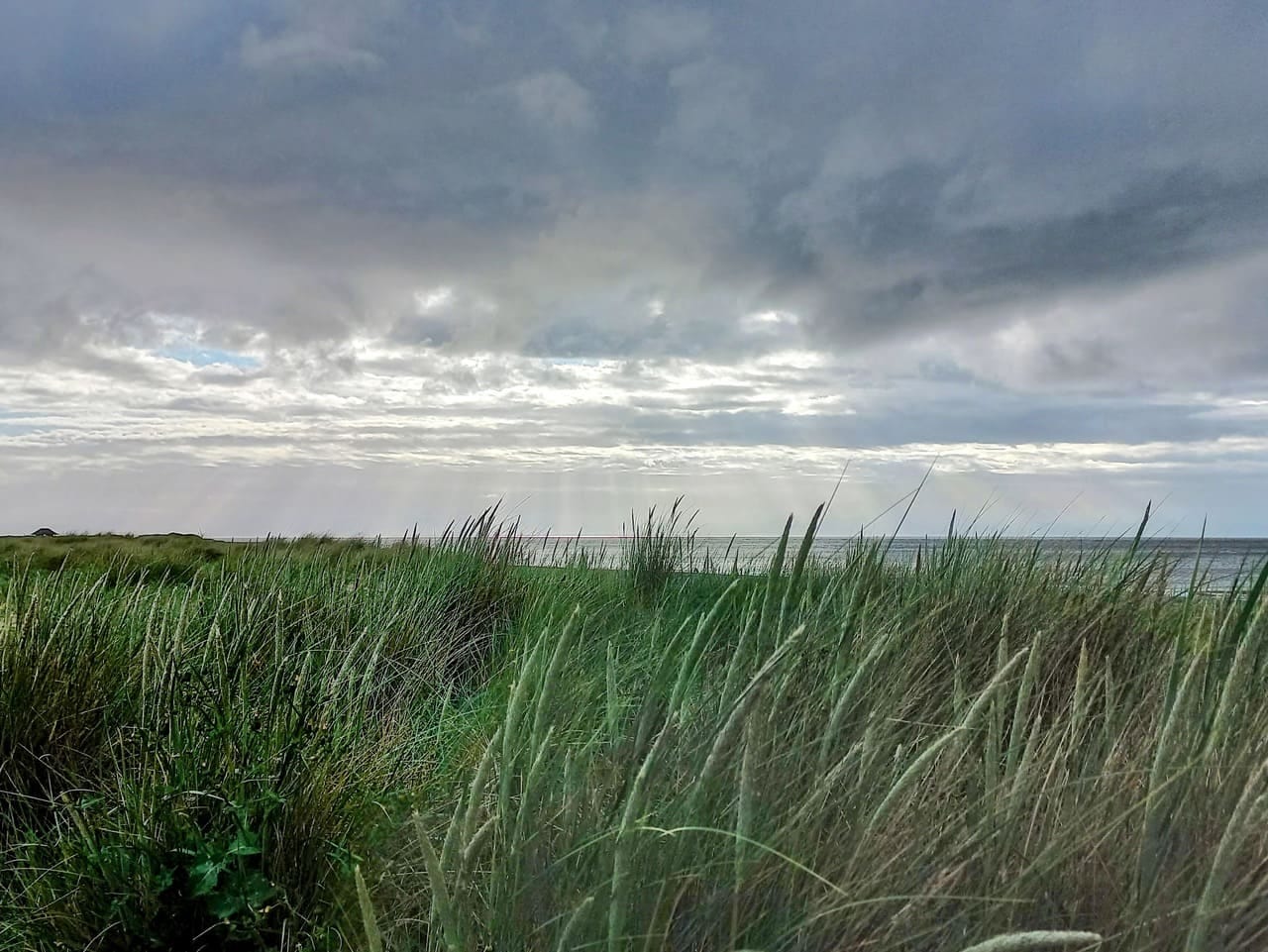
My animism has been shaped by my experiences of being with the world, as much as it has by reading, writing and thinking. I spent much of my life feeling lonely; animism allowed me to see that I was never alone. I am privileged to count the magpie, the beech tree and the ocean wave as teachers, companions and friends.
But I believe there is a lot to learn from other humans, too. Bird‑David gives me a way of paying attention to relatedness. Harvey gives me a language of persons and respect. Restall Orr gives me a reason to trust that all of this isn’t an anthropomorphic fantasy but a profound and coherent way of understanding reality.
I offer all of these ideas as invitations to approach the world in a new way. You don’t have to settle the metaphysics of animism before you start walking differently.
The next time you step out of your door, imagine yourself entering a village square rather than an empty stage. Everyone is already here: starlings and dirt tracks, beech trees and plastic bottles, crocuses and storm clouds. You are just another person among them, minding your manners, learning the local customs and discovering who wants to talk with you.
On some unremarkable afternoon, you might realise that the way you inhabit the world has changed. Less lonely wanderer, more beloved neighbour. Less detached observer, more engaged participant in a wakeful, relational, more‑than‑human conversation.
Somewhere on an ordinary path between a litter-decorated hedge and a half‑blocked drain, animism stops being a philosophical concept and starts to feel like the only way to be with the world.
attention, etiquette, and wakefulness inside a “community of more-than-human persons.” nice restraint
I really love Emma Restall-Orr’s writing. She coherently expresses things that I struggle to verbalise and has really helped me to make sense of the way I experience the world. Thanks for this piece.