


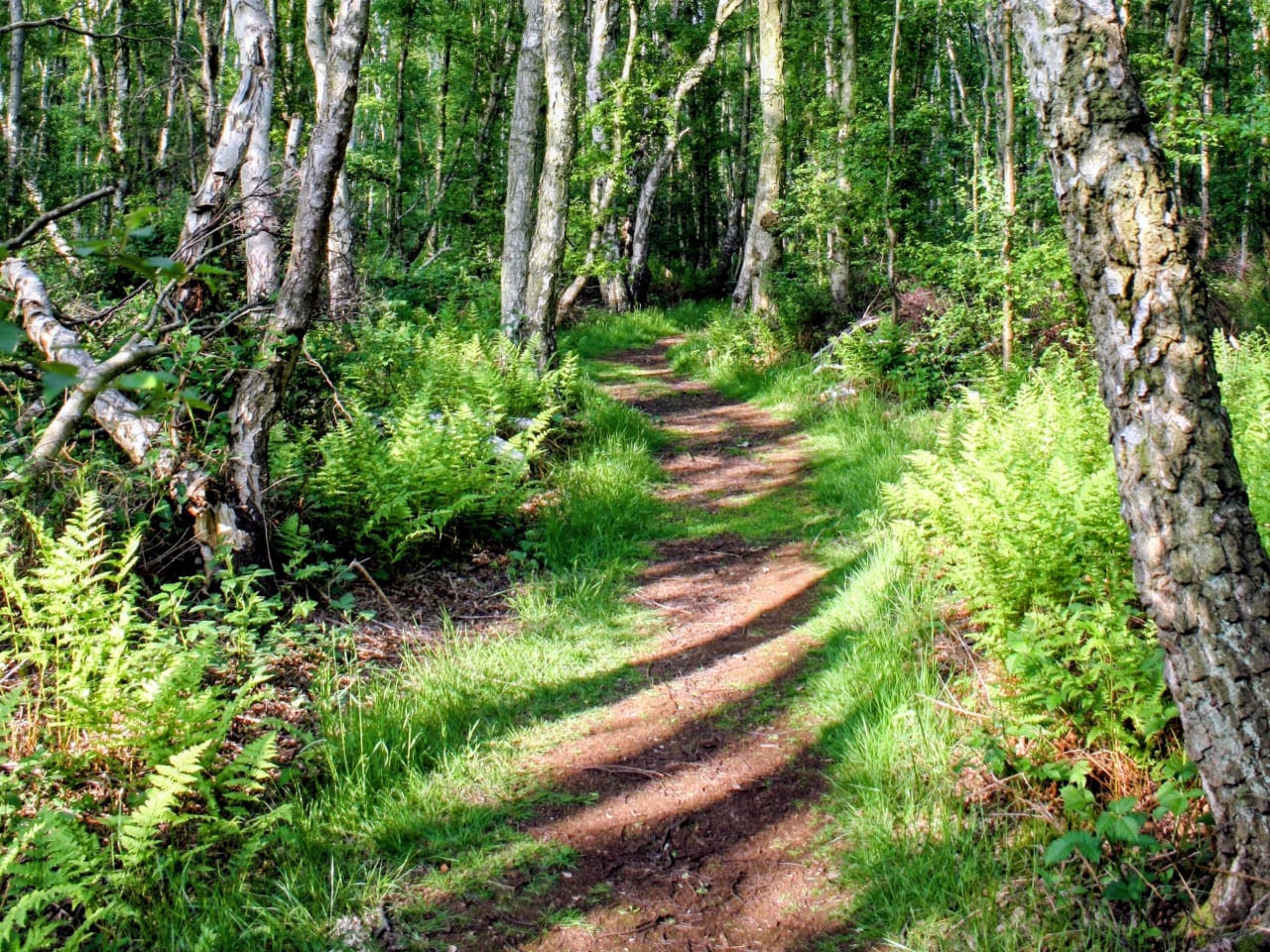
Long before a single footprint presses into mud, geology, water and plantlife all quietly dictate what kinds of paths are even possible.
Bedrock and movements of ancient ice establish the foundations. Ridges run high and dry while valleys collect water and silt. Old river terraces hang like shelves above floodplains. It is along these sorts of features that paths so often thread: the narrow hilltop spine that stays firm in winter, the flat ground extending around a cliff, the shoulder of a hill that keeps us just above the bog.
Even if nobody has walked them yet, the land has already suggested paths.
Forces of nature
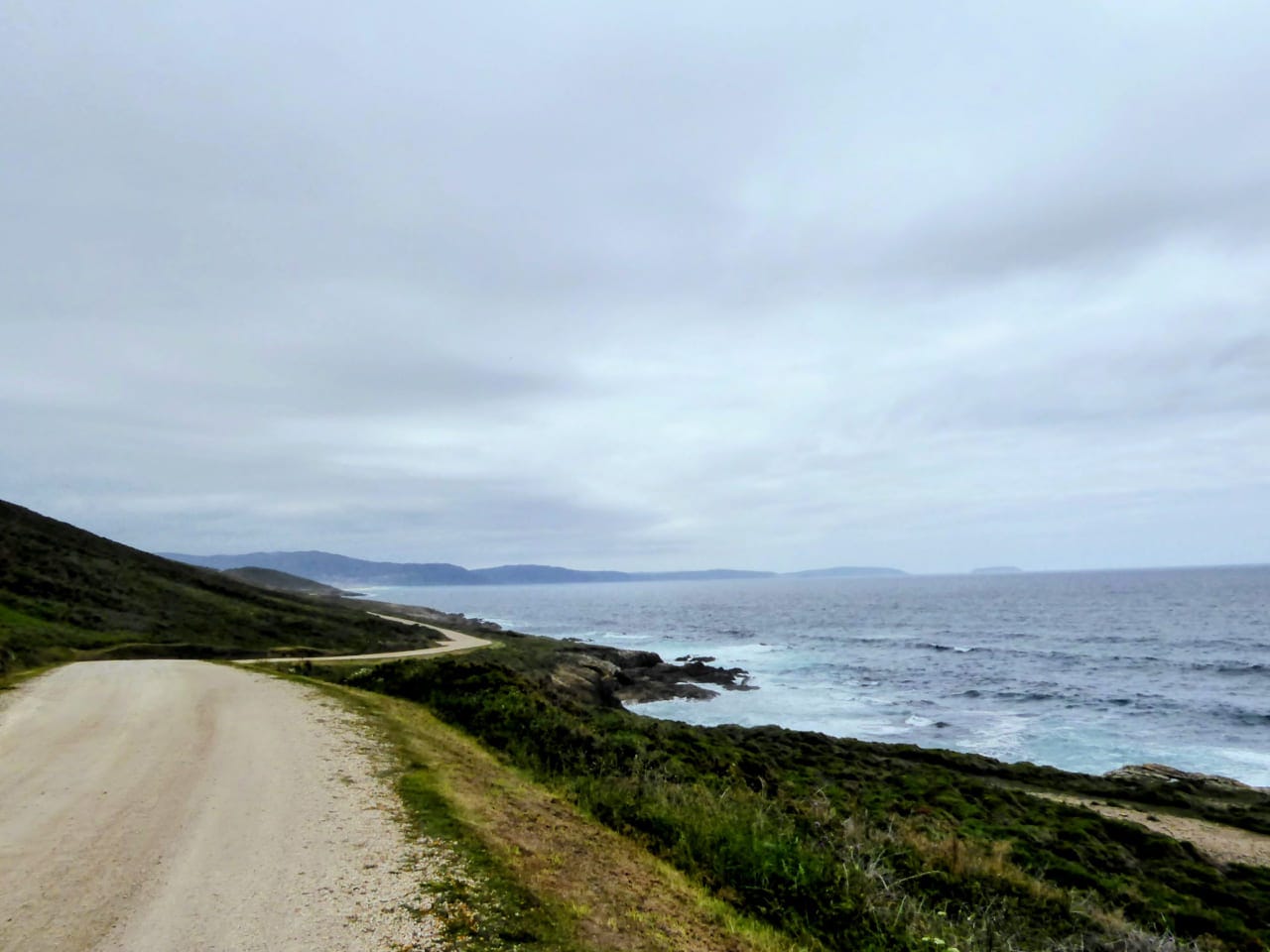
Water takes those suggestions and scores them more deeply. Rain runs where gravity and texture allow. Rivulets, rills and rivers all make their own way down the mountain.
In the river valley, floodwaters come and go, leaving behind bars of gravel and edges of firm sand. Human and more-than-human wanderers learn to move along these ready‑made tracks laid by storms and seasons.
Wind, fire and ice are path makers too. Wind scours dunes and headlands, stripping loose grains from exposed crests and leaving compressed, walkable tracks. Fire clears undergrowth in streaks and patches. In cold places, freeze and thaw heave stones upward and sort them into stripes. Between the stony ribs are softer bands of finer earth. Seen from above, it is a pattern; felt underfoot, it is a subtle invitation.
Growing from the landscape, plants and trees refine the broad brush strokes of potential movement. Dense brambles, thorn thickets and head‑high reeds all say no. Their refusals funnel movement into the natural corridors they leave as breathing space.
Trees work more intimately. On eroded slopes and stream banks, roots surface as twisted ribs. They knit together soil in some spots, leaving adjacent strips less bound and more ready to be worn into shallow runnels. Feet, hooves and paws find purchase between them, and the earth compresses into treads.
Path makers
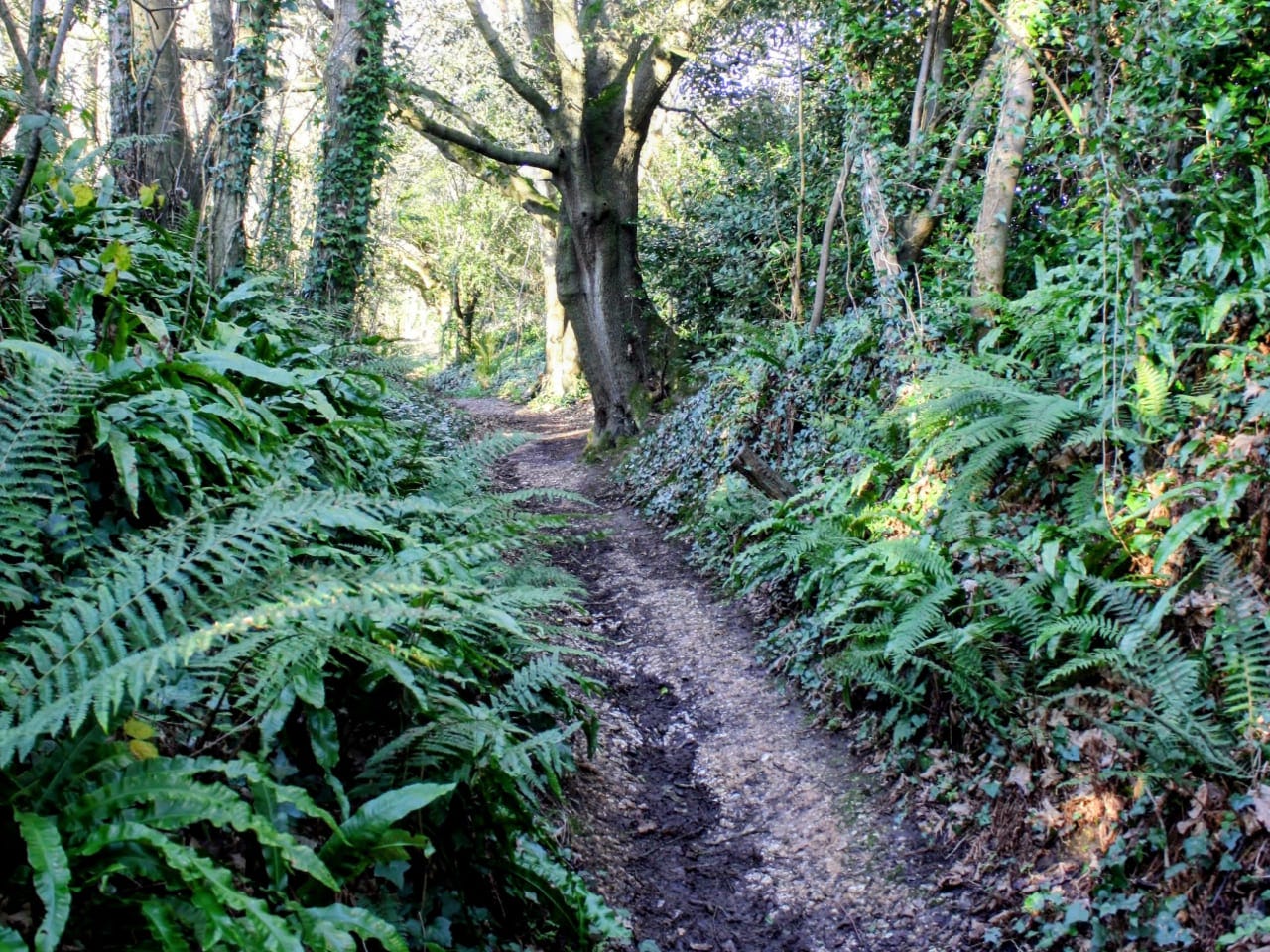
We can't help but respond to the intimate urgings of geography.
Our desire paths, unofficial shortcuts scoring parks, campuses and housing estates, appear the moment a formal route fails to match how we actually want to move. Someone cuts the corner, walking across the grass instead of following the paving’s right angles. Another person sees the faint track and follows. Soon the soil compacts, the grass thins, rain runs off a little faster, and a narrow brown stripe of bare earth announces itself.
What’s striking is how quickly a desire path becomes self‑reinforcing. A line that is even slightly easier underfoot or clearer to the eye draws more walkers. Each footstep makes it more inviting. At some point, the desire path feels more natural than the formal one. Later, planners may come along and lay tarmac or gravel along that improvised route. Officially, they are making a new path, but in reality, they are acknowledging the collective decisions of countless footsteps.
We may be unique in our ability to concretise our communal movement, and so many of our ways across the world silence the land rather than listening to it. But we are not the only path makers.
A solitary foraging ant stumbles on food and, on the way home, she lays down a thin trace of pheromone. Other ants, wandering nearby, detect that trail and follow it. If the route leads somewhere good, traffic increases. With each trip, more pheromone is laid, and the line strengthens. In time, it becomes the colony’s main highway. In heavy traffic, ants can even self‑organise into lanes, with outgoing and returning individuals sorting themselves into efficient patterns.
Across species, the pattern repeats. Voles create narrow runways through a meadow, linking nests, food and cover by running the same lines until the stems of grass permanently lean away. Elephants inherit and enlarge ancestral corridors between waterholes and feeding grounds, trampling bush into broad, hard earth tracks that other animals later adopt. Deep‑sea urchins graze across abyssal mud, leaving looping, linear feeding trails that reshape nutrient patterns on the seafloor.
Even the sad, repetitive pacing tracks of zoo enclosures testify to the desire to follow a trail. Constrained movement creates a path of hunger and distress, but it speaks of the deeper longing of all beings to roam free.
The work of paths
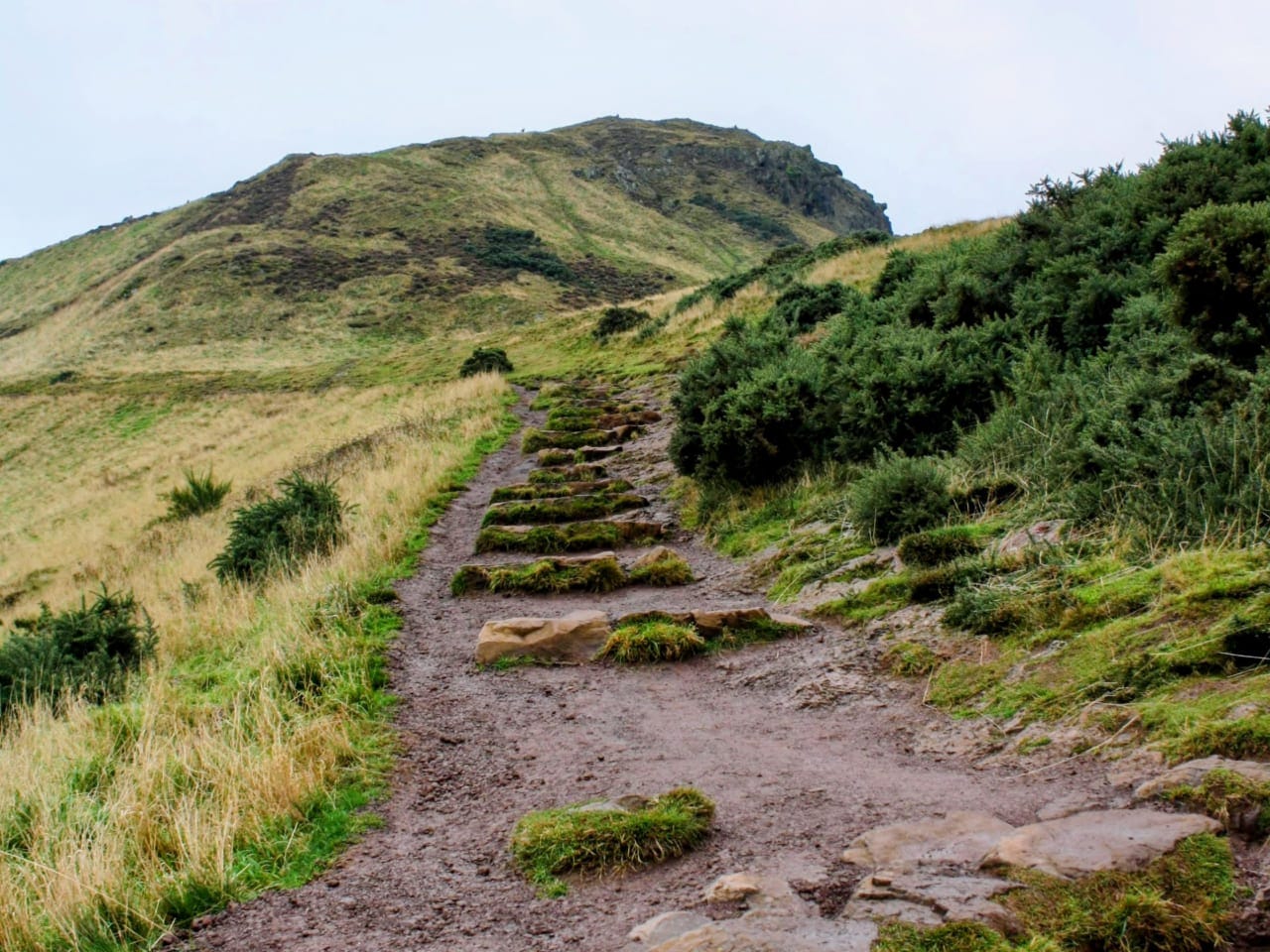
A path appears where landforms, roots, water and feet meet and negotiate. The path is not made by any one of them; it is the shape of many encounters. But once that shape is there, the path itself begins to act.
The first thing a path does is attract. A barely visible flattening in grass, a lighter streak of soil or a faint line on snow is enough. We are unconsciously pulled toward the path. Here is a line that has already solved a problem: how to get from stile to gate, from forest edge to river, without stumbling through tussocks or thorns. To step onto it is to trust that decisions made by others will carry us. The path invites us to join its thinking.
In doing so, the path remembers. Paths tell us where feet have walked, where hooves have found water, where paws have slipped safely through the brambles. Paths store collective risk assessments: this way offers firm ground, that way was washed out in the storm. When we follow a path, we are reading its memories written on the earth.
As they attract and remember, paths also edit. Look at a hillside long enough and you can imagine an infinity of possible routes. Then you notice the single pale line that actually snakes across the landscape. Somehow, out of all the options, that one has survived the tests of gradient, weather, undergrowth and habit. The path is a ruthless editor, cutting vast paragraphs of possibility down to a single intelligible sentence. Many ideas have been proposed by feet, but the path decides what makes the final draft.
And paths choreograph movement. Crowd experiments and everyday observation show how quickly we fall into lanes, sort ourselves, and follow the curves of a path even when the ground beside it is equally flat. Paths coordinate these flows so that strangers move together as though they were taking part in a rehearsed dance.
A path deciding is not a flight of poetic fancy. It is a practical reality brought into being through the animacy and agency of the path itself.
The animate path
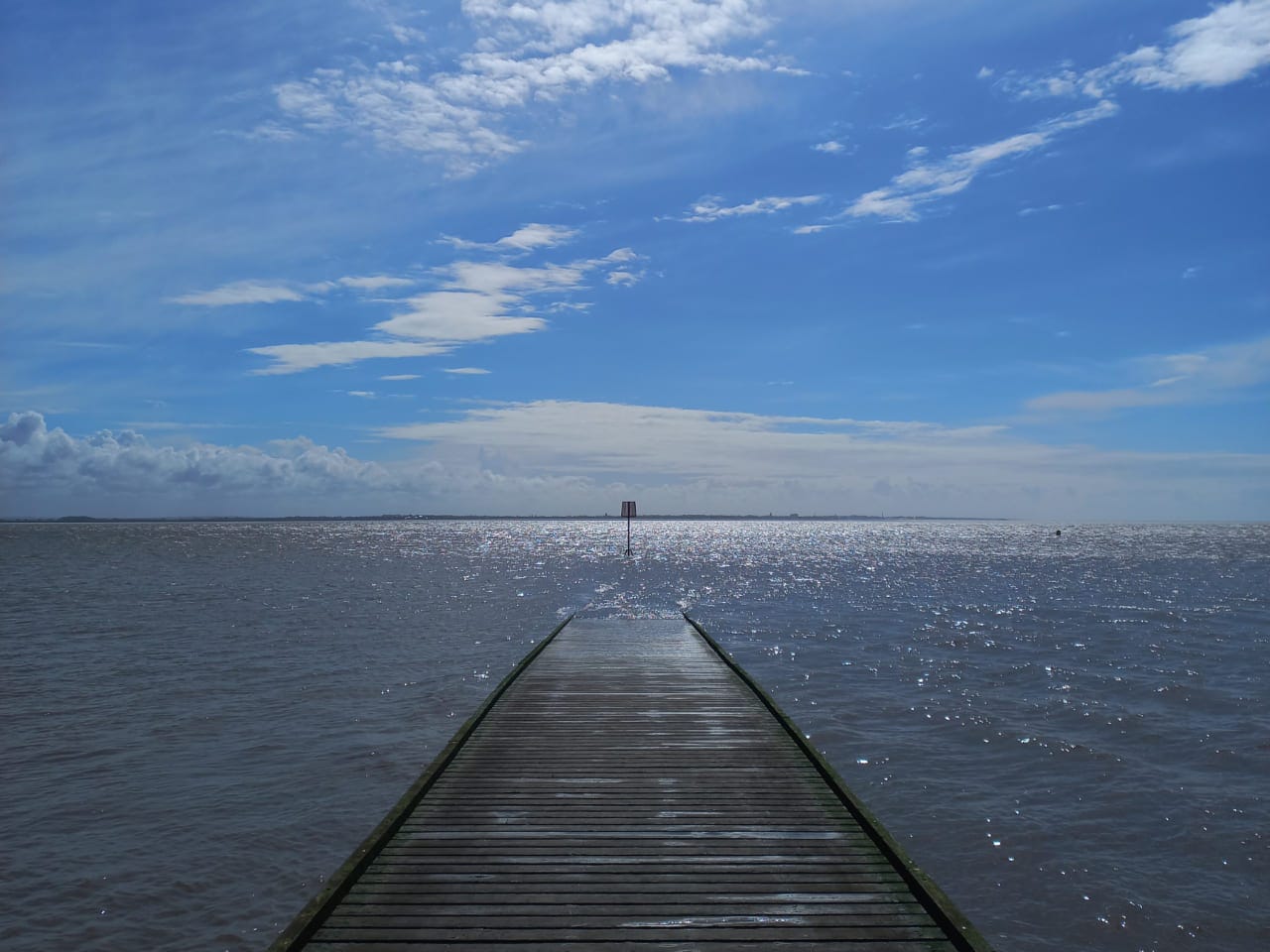
“Where are you taking me?”
It is a good question to ask of any path, and not only if I am lost. To step onto a path is to rely on its ability to hold the collective wisdom of countless beings over endless time. If I can let go of my lonely urge to decide everything, as if mine were the only choices that mattered, I can collaborate with the attracting, remembering, editing and choreographing work of the path.
“I know how steep is too steep,” the path whispers to me. “I know how wet is too wet. I know where you will begin to ache and where you will begin to sing. I know where you might stumble, where you can stop to look, and where you will break into a run.”
If I walk with the intention to be present, I notice that the path’s mind is spread out along its length, in the distribution of its wear, in the way it widens in some places and narrows in others, in the fork that gradually prefers one way over the other. Its memory is held in the density of its soil, in the way certain stones are polished smooth by bootsoles and turning wheels, and in how twisted roots become exposed as a reminder to slow down and pay attention.
I hanker to be going, but the path longs even more for my footsteps. It is a restless line, adjusting itself under my feet, whispering suggestions, listening for where water wants to fall and roots want to hold.
And sometimes, if I pay attention, the path decides not to go home after all. It tugs me instead around a blind corner, across hills I must climb without knowing what’s on the other side. And in that moment, a real adventure begins.
I still believe that the path is made by walking. But I wonder now if the truth is more complex, because the path makes me in return by inviting me to walk with it. Perhaps the only real work is to trust its memory and let it lead me.
Because after all, “who wants to know a story’s end, or where a road will go?”
This essay is inspired by Sheenagh Pugh’s poem, “What if this road”. Listen to it now, read by Susan Wokoma.
Really beautiful writing, Dru. Feels like reading a prose poem at times.
"The path invites us to join its thinking."
"When we follow a path, we are reading its memories written on the earth."
Gorgeous and perspective-expanding stuff.
This is a wonderful piece of writing. Path making has always fascinated me and you’ve added further thoughts for me to dwell on here.