


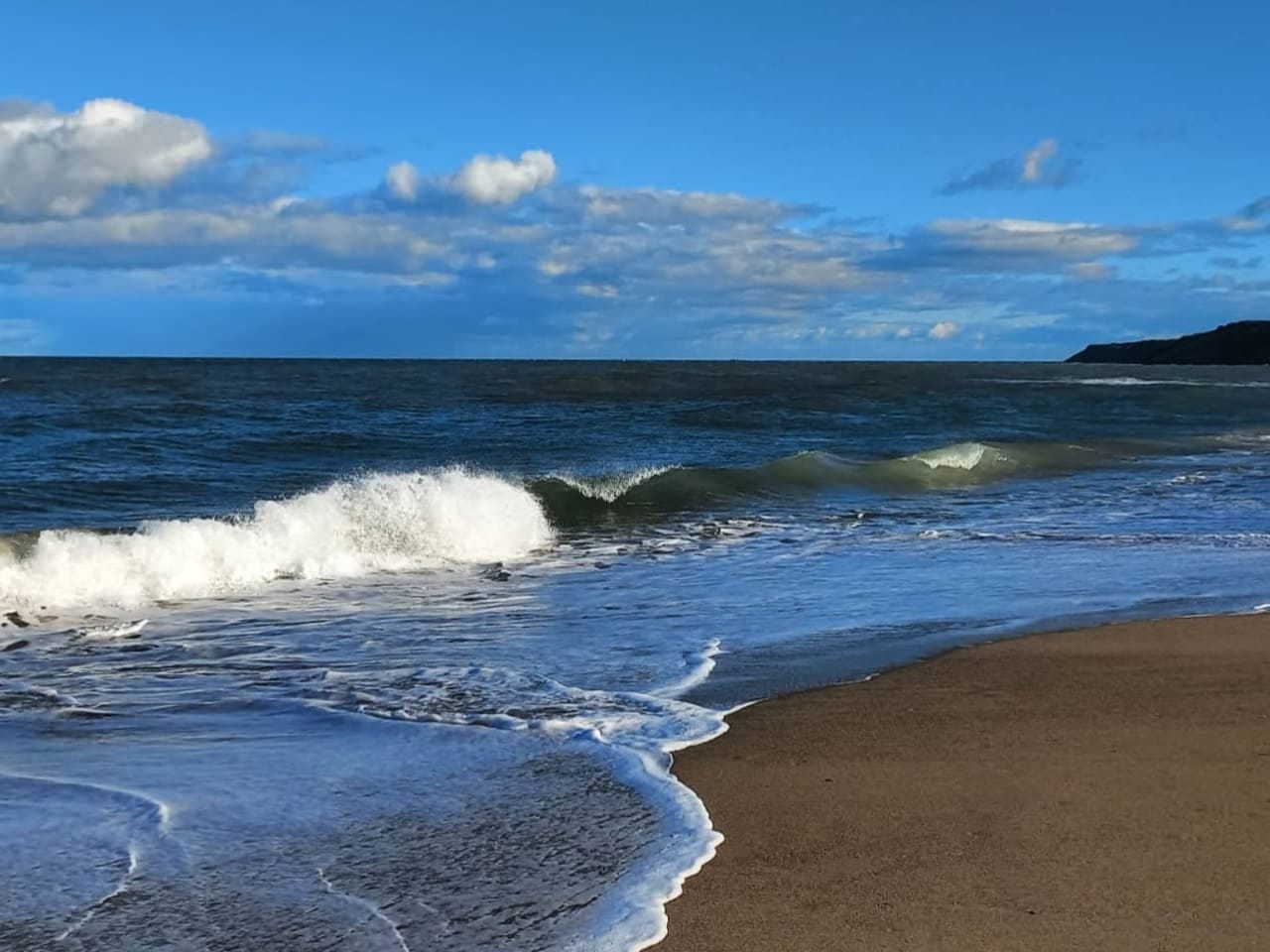
The present moment is like shifting sand.
What we perceive as now is fleeting and brief. Even saying the word “now” takes time. Neuroscientists estimate that our brains organise our perception of the present in spans of time just three seconds long. The now we inhabit - this singular instance - is not the same moment we passed through even as we began this paragraph together.
Time moves us inexorably towards the possibilities of what comes next.
As the poet William Stafford reminds us, “Nothing you do can stop time’s unfolding.”
However we perceive and process the past, the narrowness of the present is insignificant compared to the collective breadth of every moment we have inhabited. So, during May, I’ve been exploring the many ways our experiences are shaped by memory, from wandering among bluebells to noticing the unremarkable.
I often take myself to the shore when I’m trying to make sense of my memories. In the ancient cosmology of these islands, the sea is the place of the past, ancestors and emotions. Waves come and go, and mysteries circle unseen in the darkness. My journey through time is a movement over those deep waters towards the tenuous, fragile sand of the present.
In the fast-flowing currents of time, memory can be an anchor. If I look out across the waters, I see the ripples of my journey making their way towards the shore. Even as the west wind erases the precise lines of my journey, the lighthouses and stars that guided me continue to shine. Unlike land, the deep water resists permanent memorials and waymarkers. But in its own way, it remembers.
However you navigate the paths of your memory, I want to offer some prompts and practices to help you engage with the now, and make sense of what has come before. What follows are small experiments you can carry into your own walks, wherever and however you remember.
Prompts and practices
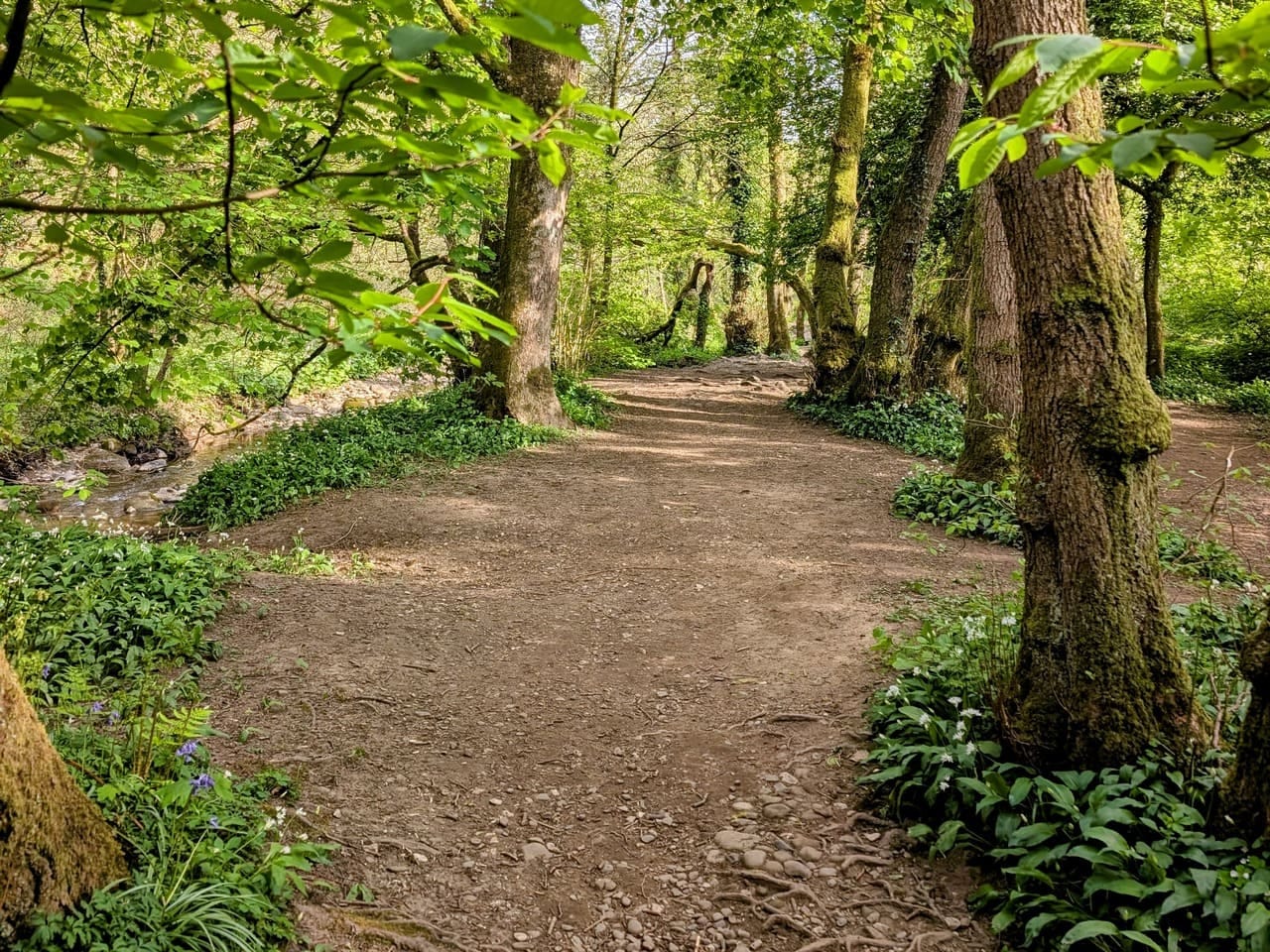
The path’s memory
Prompt: If a path you walk often could tell one story about you, what would it remember? What would it say about your pace, your moods, your questions or your silences?
Practice: Path memory scan
Walk a familiar stretch more slowly than usual, as if the path were an elder recalling shared history. Choose any route you walk often, like a commute, a school run or a trip to the local shop.
Look for three signs that this place remembers movement, like worn earth, leaning grass, snagged fur, litter or tyre tracks.
At each sign, pause and imagine a brief story about who passed and why, including one about yourself.
End by quietly thanking the path for holding memories you cannot always keep.
Naming as an act of recall
Prompt: Which names of trees, streets, birds or clouds anchor your memories most strongly? Where are your memories full of unnamed trees and people, because you never learned their names?
Practice: The names of things
On your next walk, choose three beings (plant, animal, place, weather) and learn or check their specific names, in whatever language feels alive to you. If you can’t find a correct name, give it a provisional one of your own and notice how that changes your relationship.
In your journal, write a short paragraph for each that includes the name and one sensory detail (texture, colour, movement or sound).
Notice how naming shifts your sense of connection and how easy it is to recall the moment a day later.
One walk, three ways to remember
Prompt: How does the same walk change when you remember it in bodily sensations, in images, and in words?
Practice: Triptych of remembering
On a single walk:
Choose one brief moment to anchor in your body. Pause and let yourself feel posture, breath and temperature for ten slow breaths.
Choose one thing to photograph as a physical trace.
At the end, write a few sentences about the walk without using the word “walk”, focusing instead on what changed in you.
The next day, revisit the body sense, the image and the words. Notice which form of remembering feels most available, and which surprises you by how little or how much it holds.
Remembering with others
Prompt: Whose memories of you might you need to borrow, and how might sharing stories together thicken the thin places in your own recollections?
Practice: Shared memory
Invite a companion to walk a familiar route with you and agree that you’ll each remember it in your own way.
Afterward, each person writes or speaks a short account of the walk. Notice what the other includes that you had forgotten or could not access, without assuming that one version is more true than the other.
Together, choose one phrase or image from each account to hold as part of your shared archive.
Entrusting your memory
Prompt: If the land were keeping your memories for you, what would you want it to hold from today on your behalf?
Practice: Entrusting the day
Near the end of a walk, choose one specific spot, like a tree, a bend in the path, a lamppost or a bench.
Pause there and quietly name one thing from the day you do not want to lose, entrusting it to this place.
You might touch some bark, a railing or a stone as you do so, as if you were placing the memory somewhere safe.
When you pass this place again, notice what returns to you. Over time, you may find that certain places become archives of who you have been.
Endnote: Remembering
This month, I’ve been thinking a lot about memory, in part inspired by my experience of living with severely deficient autobiographical memory (SDAM). As I’ve become more aware of my inability to vividly revisit events from my past, I’ve also become fascinated with how memory works.
For all the limitations of my memory, I treasure the many ways I do remember. I remember stories. I remember facts. I remember how to do things; although the memory of wobbling on training wheels is lost to me, I am confident in my ability to ride a bike. And even if I cannot locate the specifics in time and space, I often recall how people and places made me feel.
I outsource my memories, too. Events become reflections in my journal. I collect photographs and notes. My diary accumulates my history.
Your own memory may work very differently from mine. But I’m certain that, like me, you carry more of your life with you than you can see at any one time.
I am deeply aware that time moves at a dizzying pace. I cannot pay attention to everything in the fragile present; the perpetually shifting three-second window of now cannot be slowed, and too much happens in every instant to grasp its entirety. But within this narrow frame of existence, I can still choose what I notice.
Memory is a precious gift. It can’t give me a complete autobiographical record of my existence on earth. But remembering helps me make sense of the present moment. I did not blink into existence as I wrote these words. Every word I craft into a sentence was learned somewhere in the landscape of life that I’ve already traversed. That terrain may be shadowy and inaccessible, and the recollections may be fragmentary, but they are enough. In this moment, I know who I am.
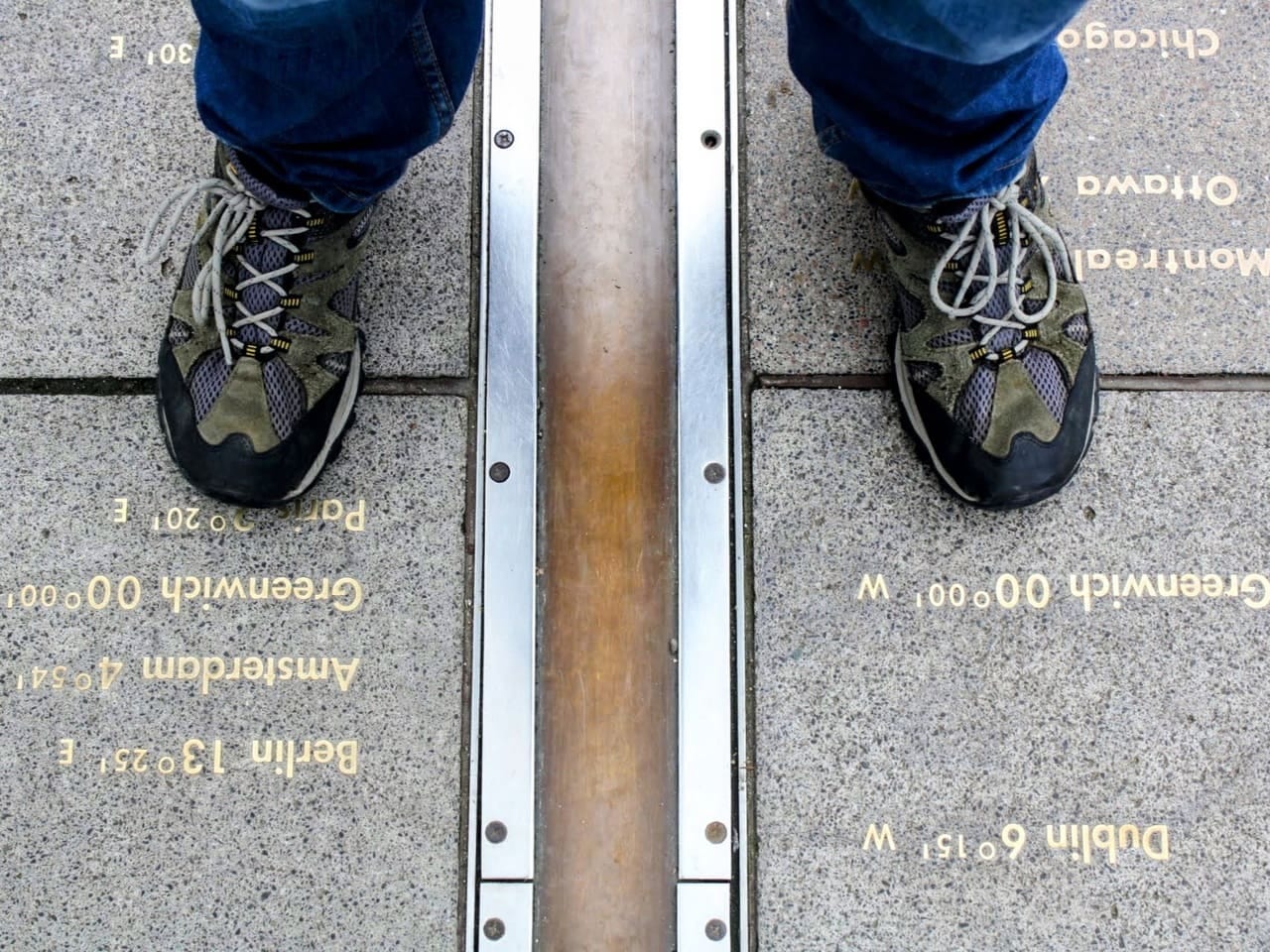
There is a path that leads directly to my feet. From the shifting sands of this three-second moment of existence, my next footsteps lead me on. All of this will become a memory, but I feel certain there will be more to remember just around the corner.
‘A triptych of remembering’… *chef’s kiss to your writing as always, Dru. Much to ponder this weekend - thank you.