


Linear time rarely helps me live well. Days subdivided into hours and minutes pile on pressure with the insistent demands of alarms and reminders. Weeks and months are too short to achieve anything meaningful. Years are too long to comprehend. Decades may as well be an eternity.
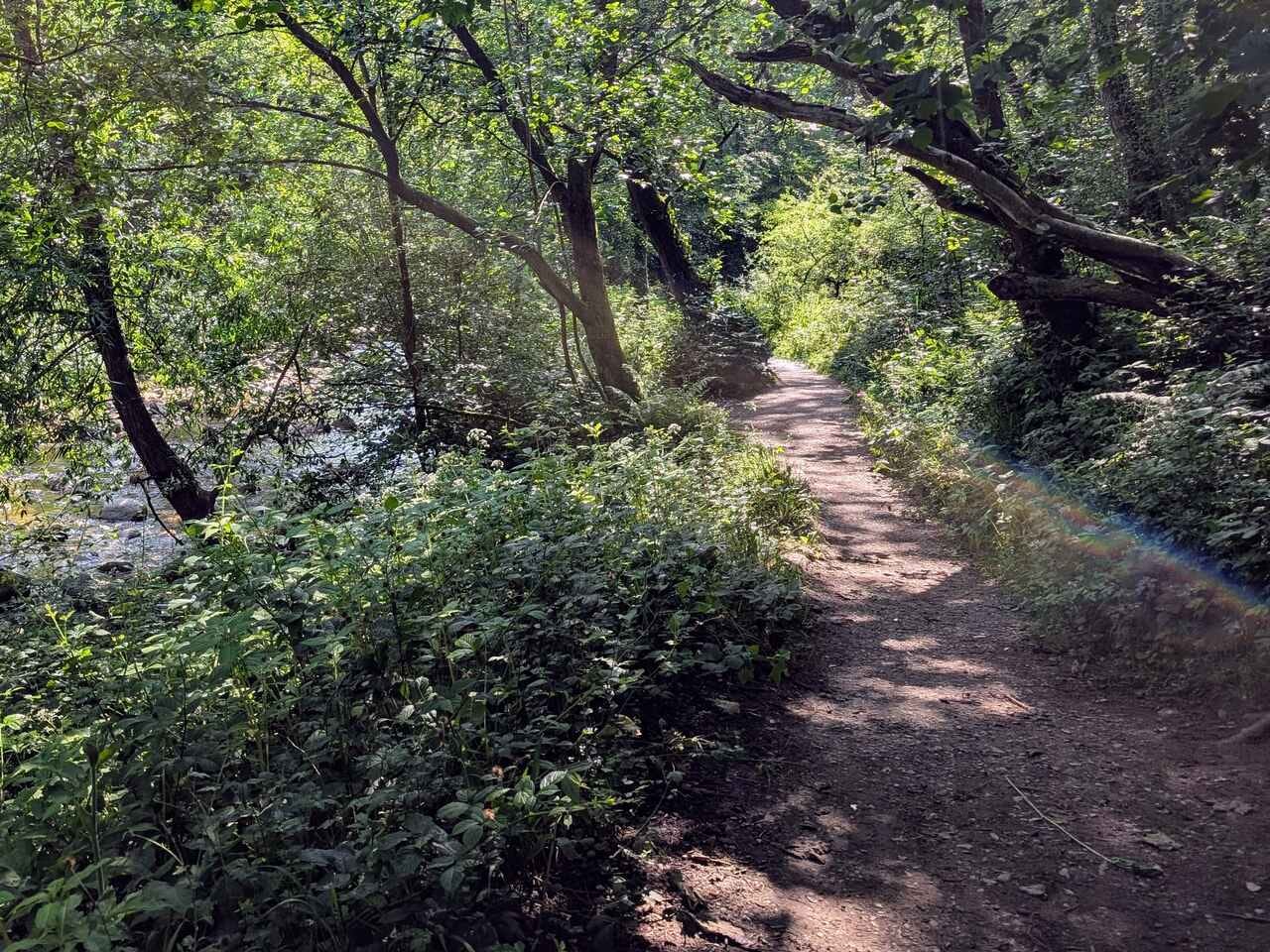
As a counterbalance to the insistent ticking of the clock, I follow the gentler rhythm of the wheel of the year. From season to season, the eight festivals of the wheel are an opportunity to pause and reflect, to notice the world around me and to consider my next steps.
I’m excited to launch a new series on Pilgrimagic, Ritual pathways. Starting at the end of this month with the festival of Samhain, Ritual pathways will explore the rhythms of the turning earth and the trails we make together.
The wheel of the year
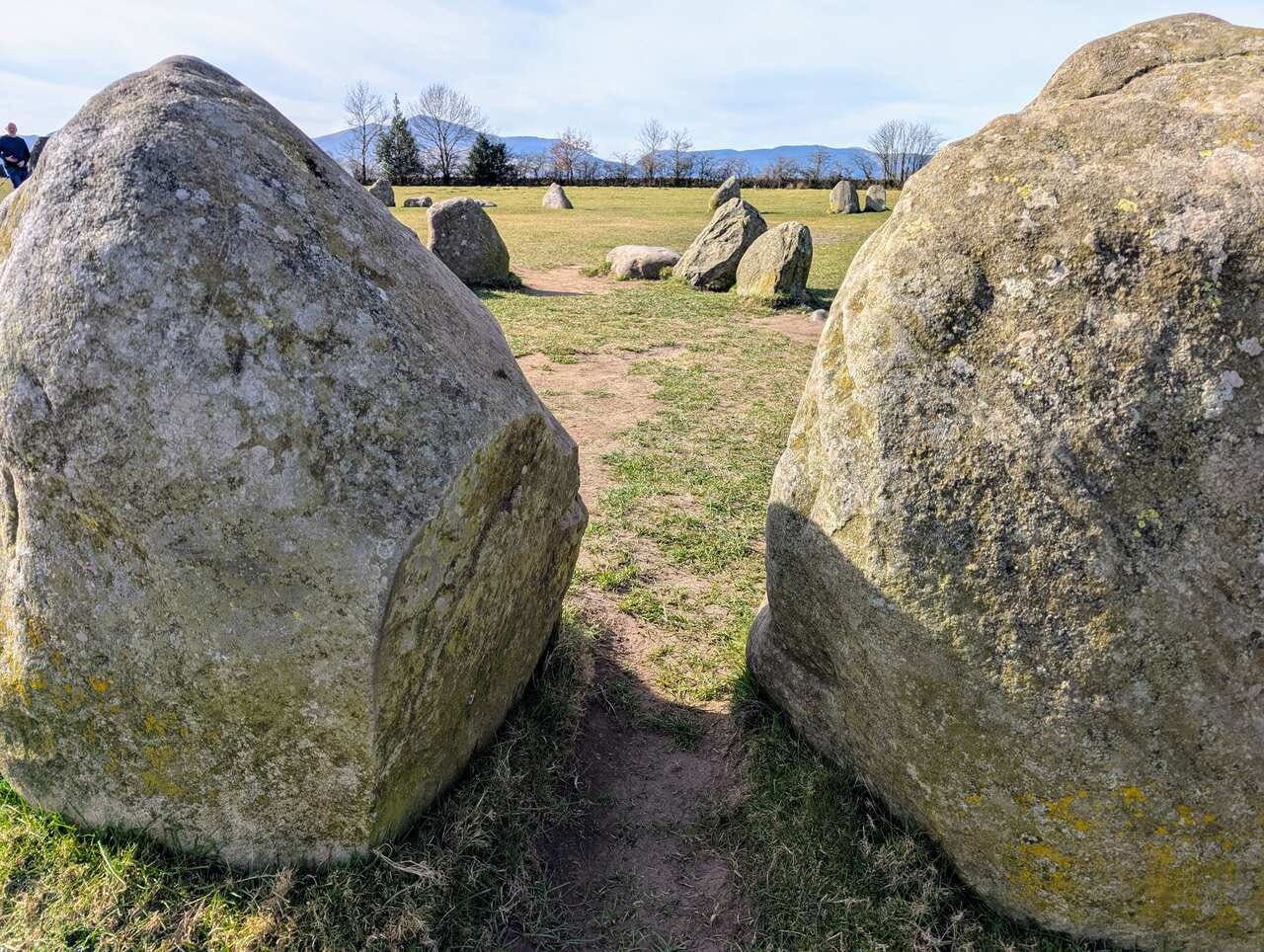
The wheel of the year is a vital part of contemporary druidry, witchcraft and paganism. But with the exception of halloween and midsummer, its celebrations pass largely unnoticed by the wider world.
It’s important to say that the wheel of the year is a modern invention. It was synthesised in the mid-twentieth century by Gerald Gardner (the founder of Wicca) and Ross Nichols (the first chief of the Order of Bards, Ovates and Druids), who endeavoured to bring together celebrations of the astronomical solstices and equinoxes with the quarterly agricultural festivals of the pre-christian Celtic traditions.
What emerged from their collaboration was a satisfying annual pattern of eight moments, roughly six or seven weeks apart, dividing the year into near-equal parts. Later, in the 1970s, Aidan Kelly borrowed some Anglo-Saxon names from the writings of the Venerable Bede to complete the wheel. A new tradition was born.
I was first introduced to the wheel of the year through my exploration of druidry. So, I use the names of the celebrations I learned, and I prefer Iolo Morganwg’s poetic Welsh names for the solstices and equinoxes.
But whatever we call these moments, they offer an invitation to mark the passing of time. The year does not stretch endlessly, nor is it only dominated by the insistent demands of hours and days.
There is a gentler cycle we can sense as the earth turns.
The rhythms of the wheel
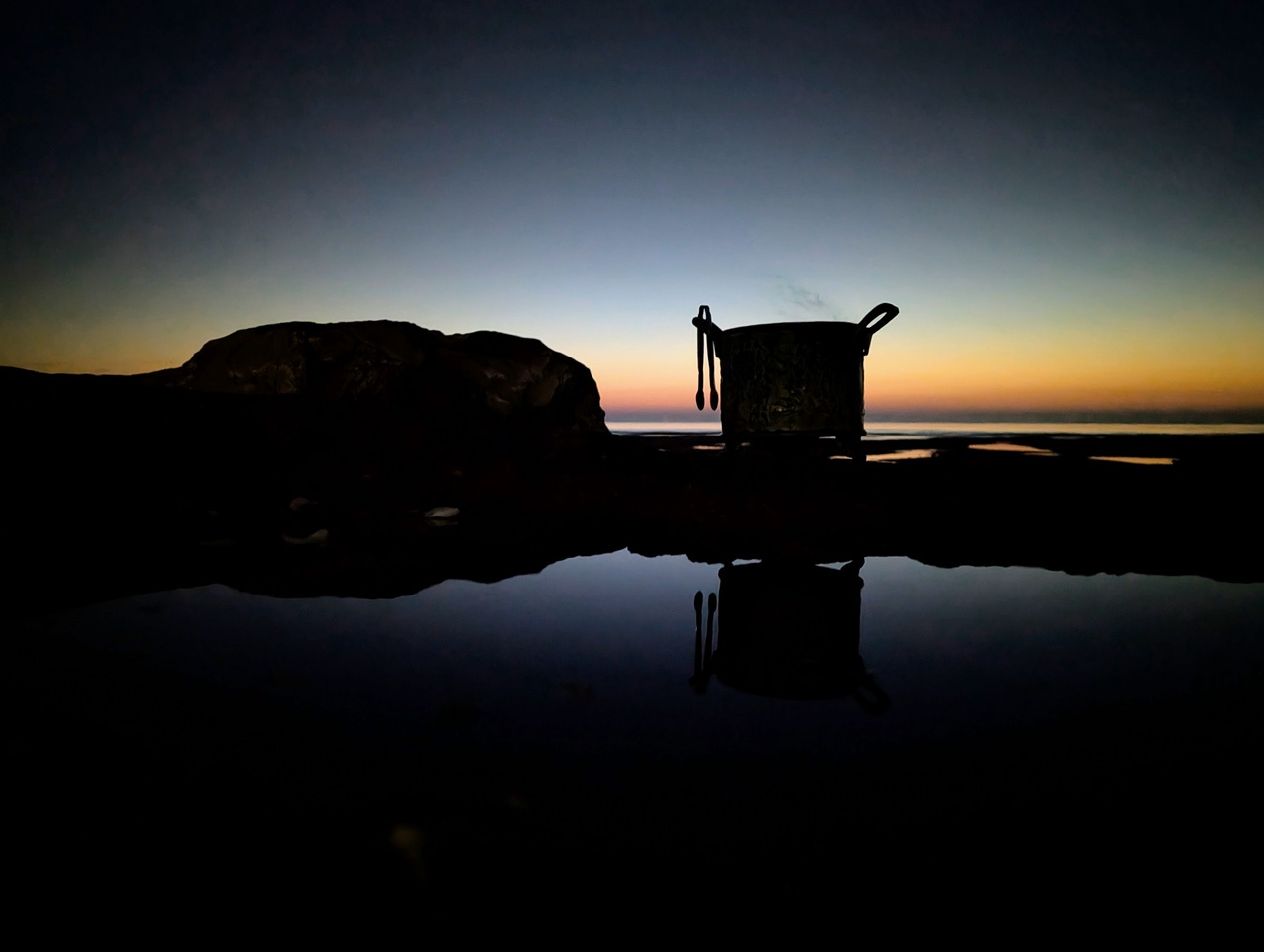
The fire festivals of Samhain, Imbolc, Beltane and Lughnasadh have their roots primarily in Irish tradition, with similar celebrations across the lands of the Atlantic northwest. These festivals are rooted in the earth, in the changing seasons, in the agricultural rhythms of the year, and in the gathering of people together.
The astronomical festivals - Alban Arthan, Alban Eilir, Alban Hefin and Alban Elfed - shift our gaze from the changing earth to the movement of the sun, moon and stars. Across cultures, buildings and ritual spaces are aligned with the rising and setting sun. The stillness of the solstices and the balance of the equinoxes have always been an invitation to pause and look to the sky.
For me, it’s that regular rhythm of looking up and down that makes the wheel of the year so enchanting and potent. The fire festivals encourage me to notice the world immediately around me. The astronomical festivals remind me that life on earth depends on a vast universe that stretches endlessly in every direction.
There are everyday wonders of spring flowers and autumn leaves. There are transcendent wonders of the night sky and the rising sun. Life begins, grows, dies back and rests before emerging once again.
The wheel of the year roots me in the intimate and the infinite.
Ritual pathways
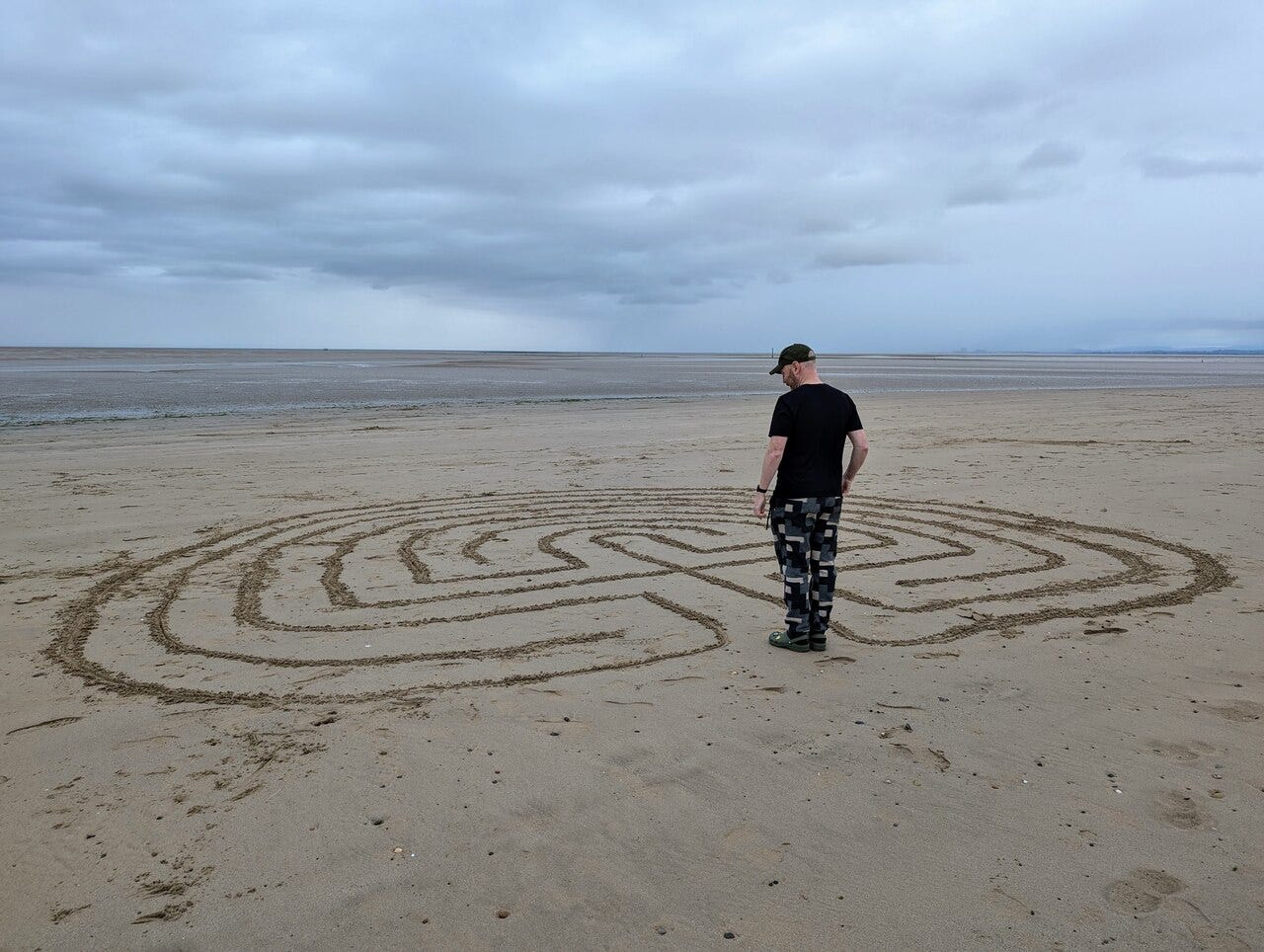
In my new series, Ritual pathways, I want to journey through the wheel of the year with you. I’m not entirely sure where the path will lead us, except that the wheel will turn and we will find ourselves back at the beginning again. But I want to deepen my practice of the wheel, and I’d love to walk in contemplative companionship with you.
I live in the northern hemisphere, so Ritual pathways will begin with Samhain and the walk into the dark time of winter.
Then, over the year that follows, I’ll publish an article exploring the story of each the following festivals, with their associations, folklore and traditions. I’ll explore ritual, magic and meaning-making. I’ll offer simple walking practices that connect with the story of the season, with adaptations for all abilities and environments. And I’ll share other activities to bring you closer to what is happening in the land, sea and sky around you.
This isn’t a syllabus; everything is an invitation, rather than homework. And you don’t need to believe anything in particular; the journey will be what we make it as we travel together. I hope we will inspire each other to go farther and deeper.
And a final note: Ritual pathways will just be for paying subscribers. So if you want to walk the wheel with me, sign up now - you’ll get 20% off if you join before Samhain.
Joining Ritual pathways is a gift to others too, in supporting me to continue writing free articles on Saturdays and Wednesdays. If you’re already supporting Pilgrimagic financially, thank you.
I look forward to your company on the enchanted path.
I love the idea of separating the year into smaller parcels, more manageable, more in tune with the cycle of the seasons. I really dislike the 24 hour clock, and the way we divide the calendar so rigidly.