


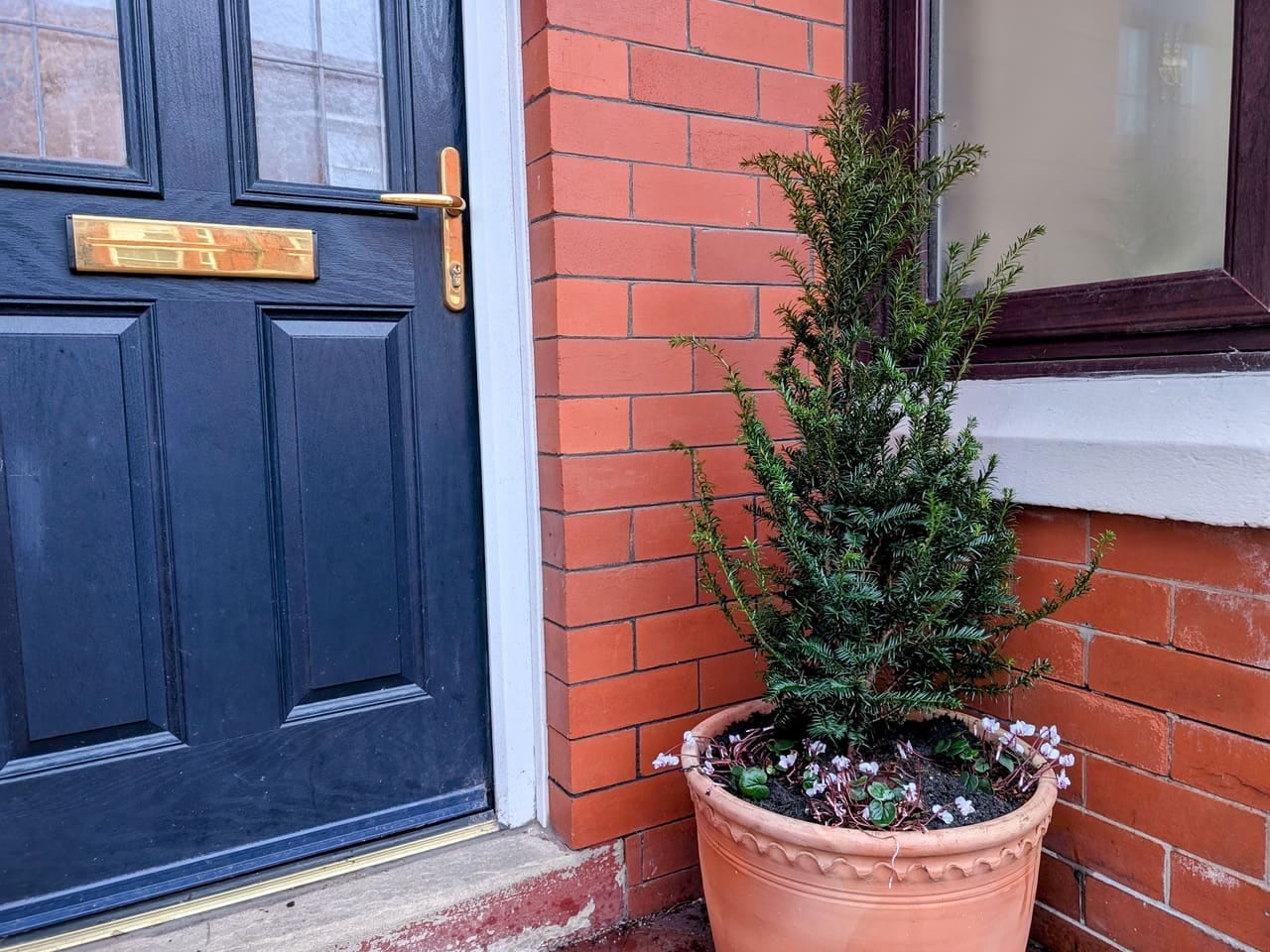
So many accounts of pilgrimage and transformative hiking focus on the moment of arrival. Someone leaves home, wanders to a distant shrine, high mountain or sacred valley, and their encounter with mystery profoundly changes them. They meet the earth, its more-than-human inhabitants and themselves on the path.
Reflecting on their outbound journey, they tell stories of physical hardship, emotional upheaval and spiritual transcendence. But there’s a crucial element that is often missing from these accounts.
The return.
Anthropologist and folklorist Arnold van Gennep identified three common phases of a rite of passage: separation from day to day concerns, entry into a transformative liminal space, and a journey home that allows the wanderer to incorporate their learning and live a new story.
This month, I want to explore the homeward path. What does it mean to come back from a journey? How do we step over the threshold of our homes transformed by our experiences? And what if we realise that we have changed while the world around us hasn’t?
How can we return?
On returning
The word return doesn’t mean quite what you think it means. It seems easy enough to parse its etymology: re means again and turn sounds much like turning a corner.
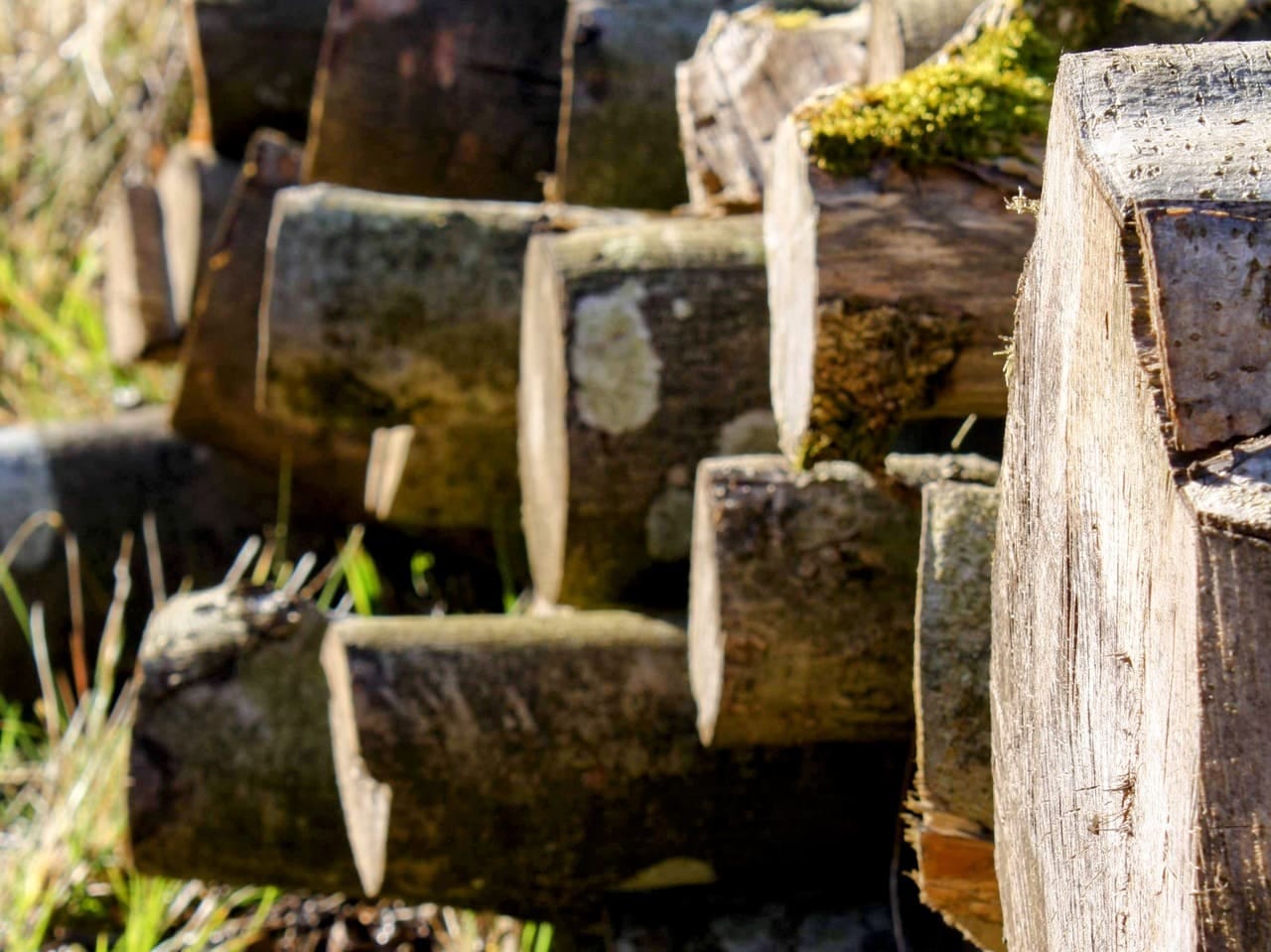
Except the turning of the return is of a different nature entirely. Follow the thread of language through human history and you find another meaning at its root. The turning of a piece of wood.
When wood is clamped to a lathe, it holds a still point at its centre. A rough piece of wood, hewn from a tree and dried in a pile, is worn away through friction to reveal something smooth and perfectly formed. Edges, unevenness and splinters are cast aside. The ground around the lathe is showered with sawdust, but something beautiful and useful begins to emerge.
Without the endless spinning of a rough chunk of timber, the fine-grained elegance of the wood cannot be revealed. Turning takes time, dedication and the skill of a turner who senses what could be hidden in layers of annual rings. Aged wood, knotted with the uneven growth of a hundred summers, reveals itself in lines and patterns.
Unturned, the lessons of growth embodied in a tree remain unrevealed. Carved with chisels and polished to perfection, the wisdom of years shines.
The one who returns
As turning reveals something hidden deep within wood, so the work of the return path allows a different type of being to emerge.
Life changes us. Experience changes us. Encounter with mystery changes us. But I think that the truth of the return is not so much that it fundamentally alters us at our core, but that it wears away the sawdust to show us what always lay just beneath the surface.
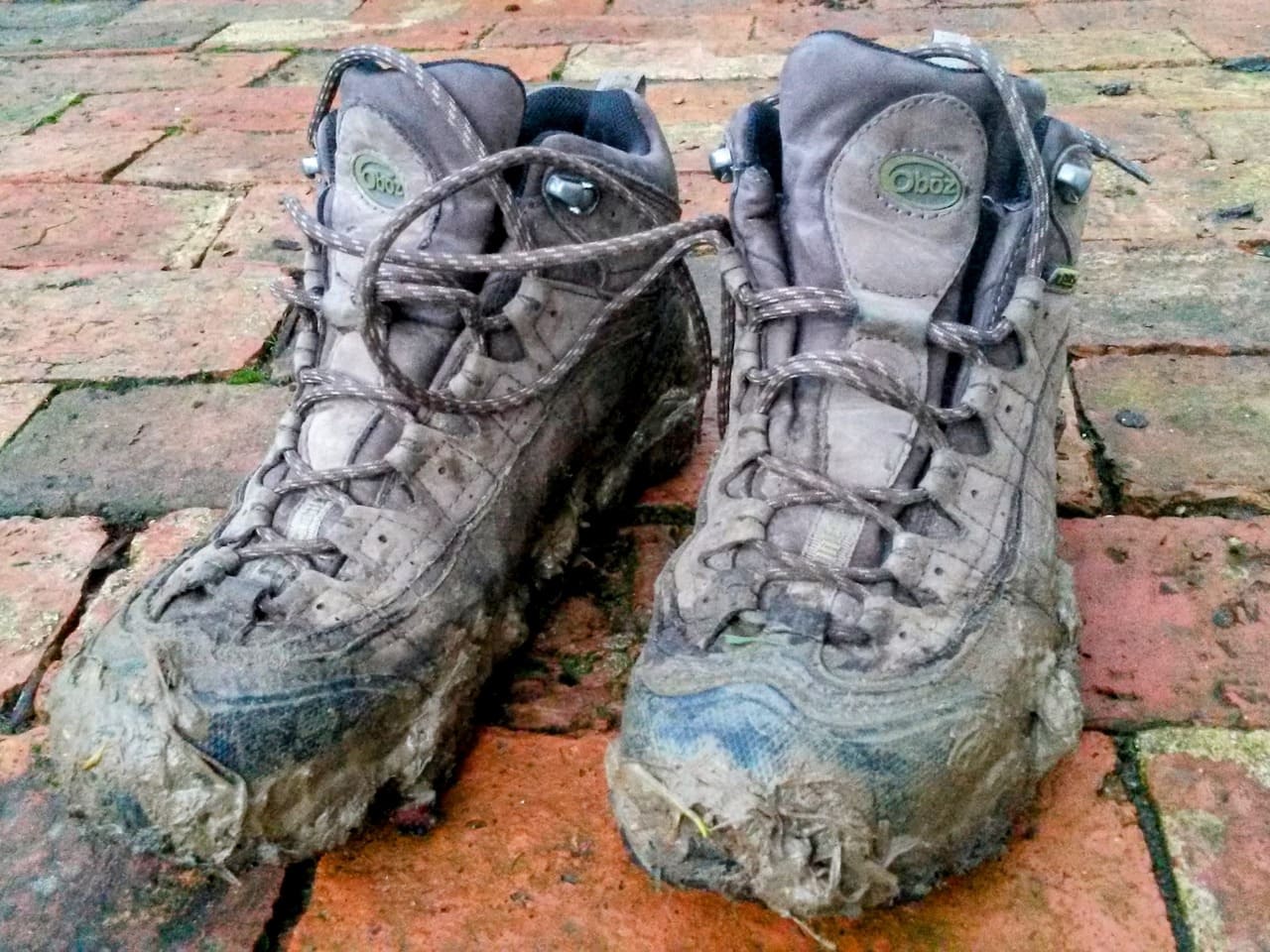
Stripped of everything that is no longer beautiful or useful, many people return from profound journeys to find that they are different. Fragile and raw in their newness, but filled with a refound sense of purpose. In the wake of my journey along the Camiño dos Faros, it took me days to find my feet, weeks to revisit my journal entries, and, in truth, years to fully comprehend the magnitude of what had been altered in me. Though I’ve settled now, the journey of the return continues in me every day.
One insight that helps me is that the return is not a journey back, but a journey forward. I am not a passenger with a return ticket, picking up everyday life where I left off. The lathe of the return revealed a different shape to my becoming.
The psychologist James Hillman suggests that each person arrives in the world with a unique image already present in their soul. We each carry a complete, latent pattern of the life that wants to be lived. Just as an acorn contains the entire form of the oak, the soul carries its own destiny from the beginning.
Hillman is drawing on an ancient philosophical idea. Anamnesis. Unforgetting. The one who returns isn’t made into someone new. The turning has reminded them who they are.
The friction of the journey wears away what was added. And what remains, fine-grained and chisel-etched, is not the person who left home. It is who they were always meant to become.
Observing the return
April is the season of the return. In the wake of Alban Eilir’s balancing warmth, summer inches closer. In the bay near my home, oystercatchers are returning to their breeding grounds on shorelines and saltmarshes. Arctic terns rest on quieter beaches, briefly pausing their life of pole-to-pole motion to hatch the next generation. Natterjack toads climb from their deep dune burrows to fill the night air with their song. More-than-human life, in all its abundance and richness, is unarguably present in its own becoming.
There is much to learn from the return of others. Whether we are resting temporarily in places of familiar security or digging ourselves out from the depths of winter, the living world around us is abundant with teachers, eager to show us the truth of their own returning.
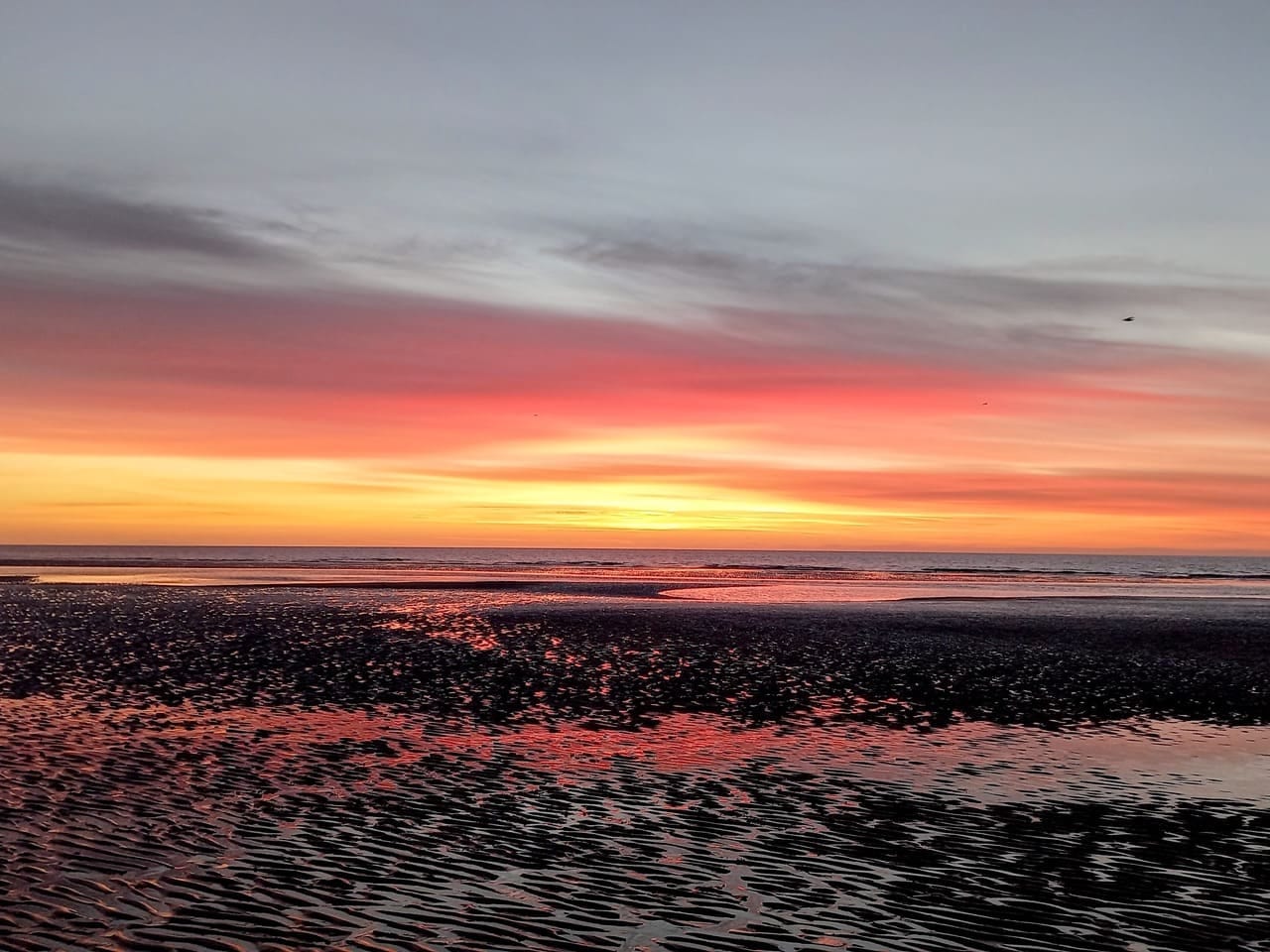
I walk out on the beach at sunset, and feel their presence around me. Confident, grounded, wholly inhabiting their unique place in the vast expanse of shifting sea, sky and land, the more-than-human community calls me to find my place, too. The surety of their return echoes my own. I stand with certainty, knowing that this is the place.
While the living world welcomes me, humanity can too often offer friction. Becoming who I am shifts the pattern of relationships with the people around me. Changed by my journey, I am not the person who left. My returned shape takes up a different space in the world, and the familiar roles I filled may no longer fit me well. All of this takes adjustment, not just for me, but for those who love and rely on me. The return path demands patience, forbearance and a deep acknowledgement that others have gone on living their lives in my absence.
Physically, I am home. Being at home may take time.
Whether you are returning from an adventure or coming back to a renewed sense of yourself, this month, I invite you to walk the return path alongside me. In the weeks ahead, we’ll discover stories of the homeward journey, find the evidence of return written into the April landscape, and sit together with questions that may take longer than a month to answer.
There’s no arrival to aim for. Only the turning, and what it reveals.
Thank you deeply, Dru, for addressing what is, as you say, the least spoken-to element of the journey, the return. Without which there is no integration, no renewed purpose in the new shape of our lives. I look forward to more of your reflections on this.
The wood turning etymology and metaphor is really generative. I can't help but be reminded of lines from Burnt Norton, one of T S Eliot's Four Quartets:
"Except for the point, the still point,
There would be no dance, and there is only the dance."
I always find great value in your short essays, Dru. I especially love the description of April as a month of returning. Spring blessings 💗