Fleetwood is flat. The place I live was built from nothing on a landscape of sand dunes and rabbit warrens. Only one sandhill remains. The Mount, topped by a pavilion in the centre of its own park, stands proudly 16 metres above the sea. It is the highest walkable point in town.
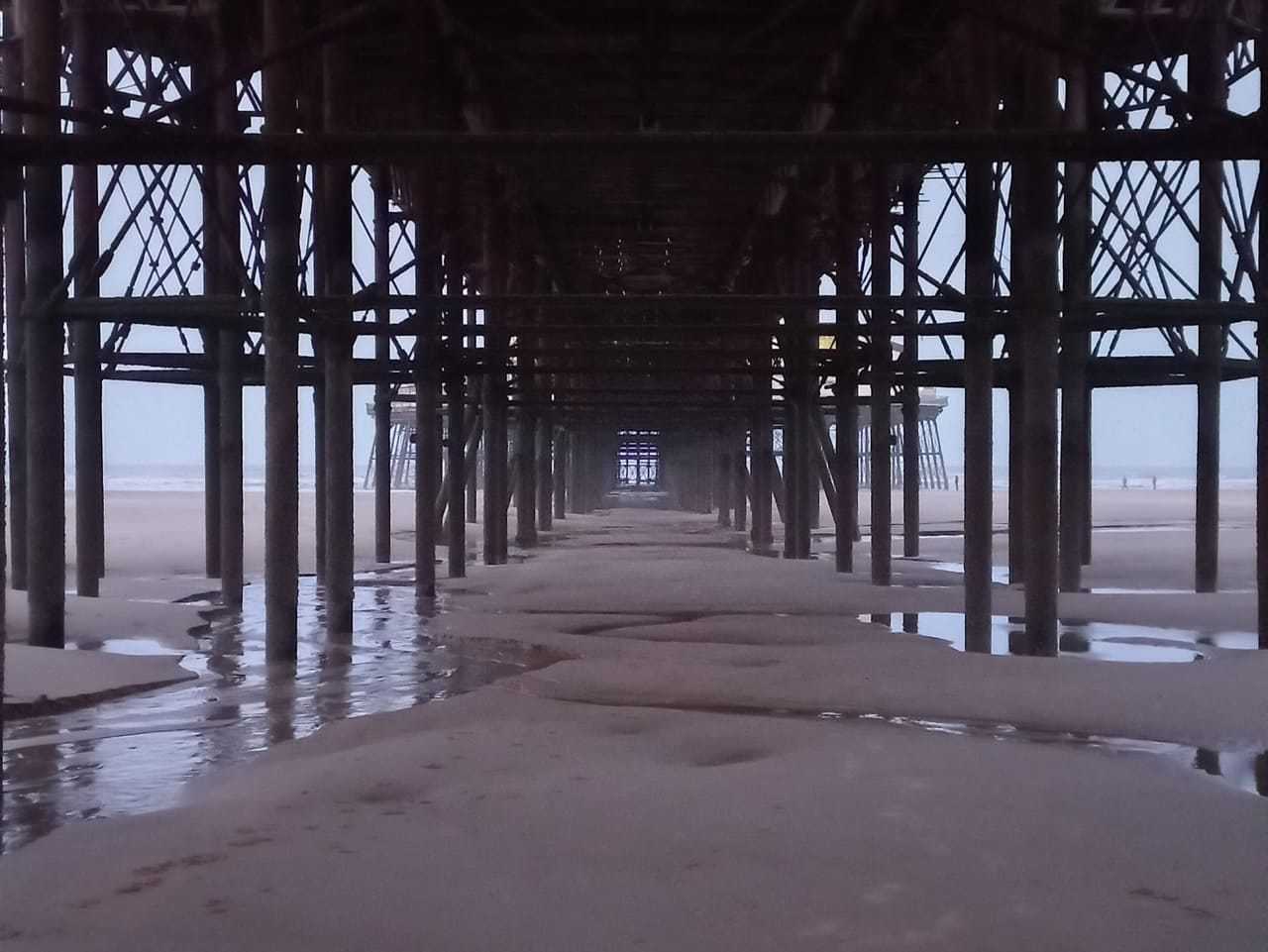
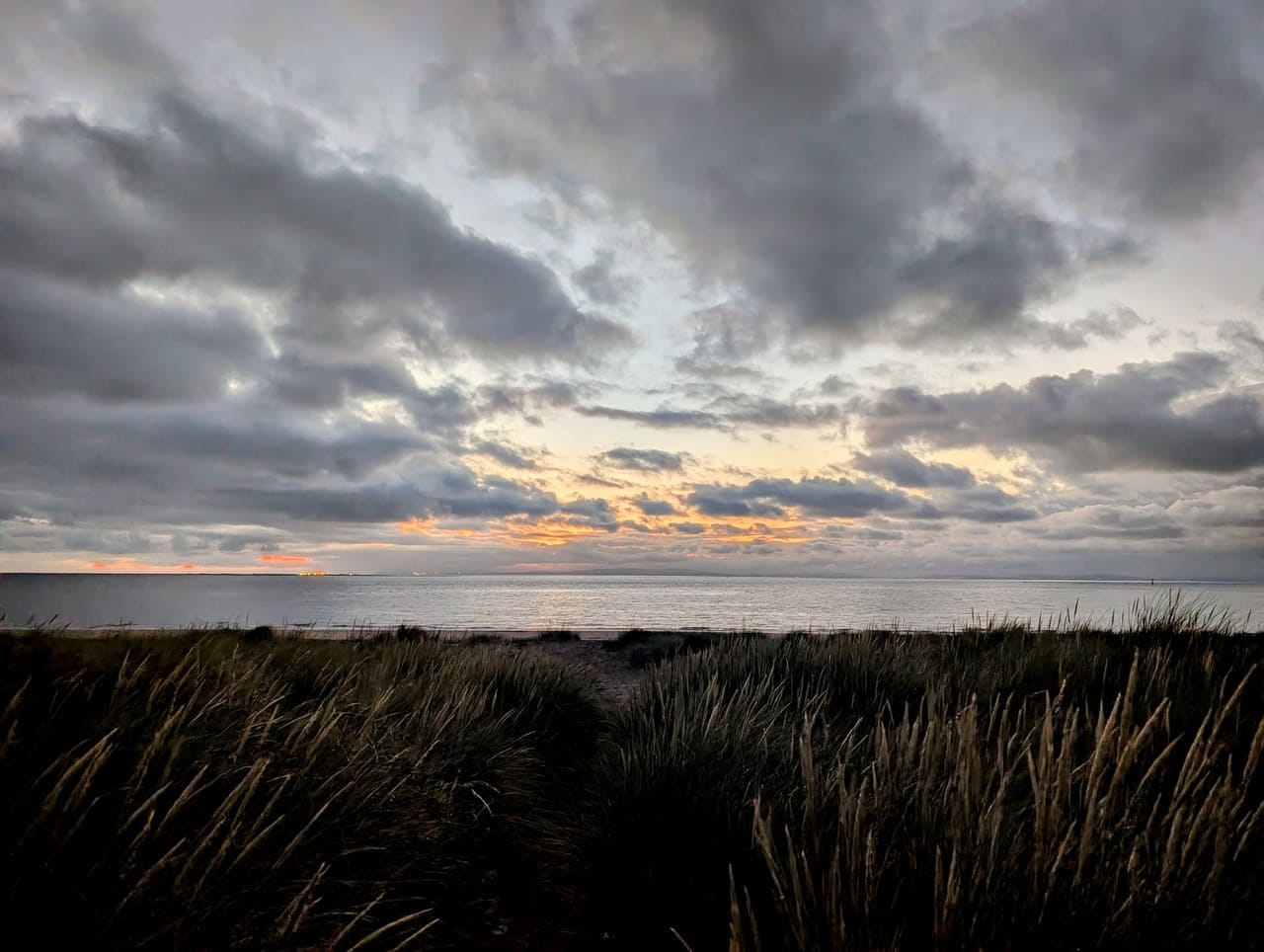
Out on this peninsula, I am surrounded by water on three sides. Without the coastal defences to the west, the wide beach to the north, and the river marshland to the east, the sea would lap at my feet as I walk. Here, there is no option to make progress by travelling upwards. Under the arching vault of the sky that stretches towards the sunset, all movement is horizontal.
Flatness is not for everyone. In Waterland, Graham Swift writes about how the uneventful vacancy of the Fens can drive people to madness and murder. But the flatness of this place somehow speaks to my soul. It encourages me to consider how I make my home in a wide, open landscape, always remembering that the marks I leave may be washed away by the tides.
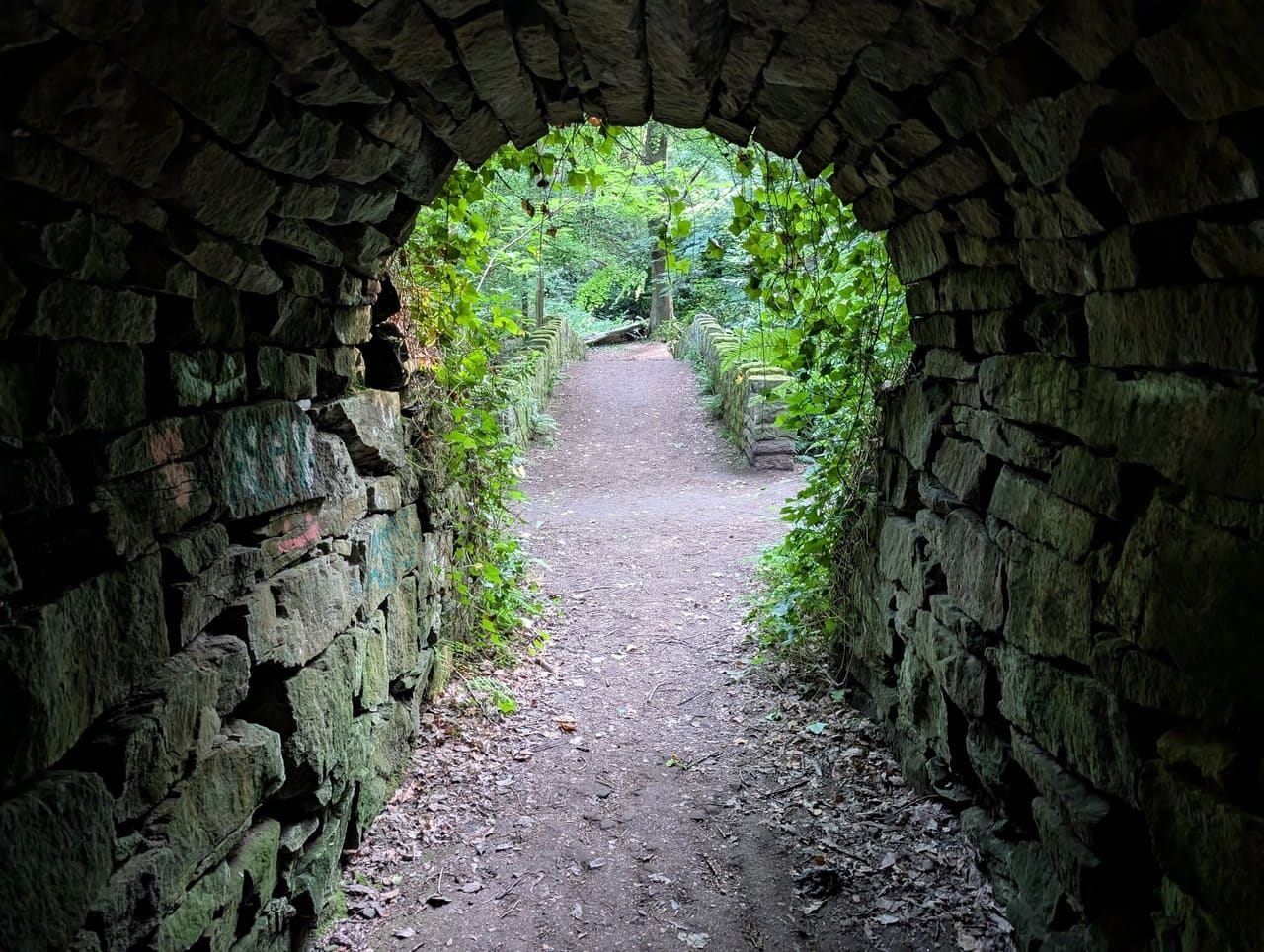
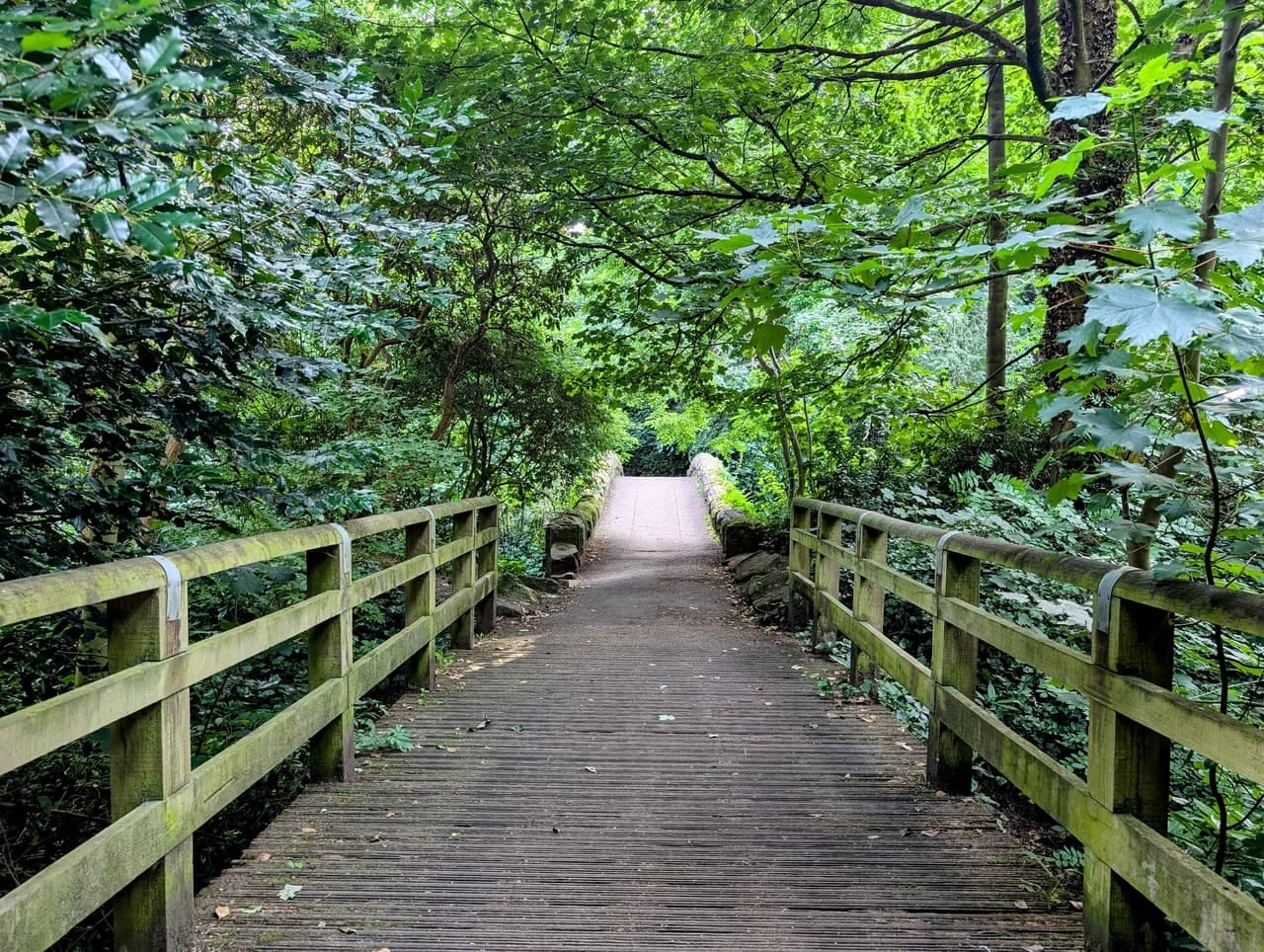
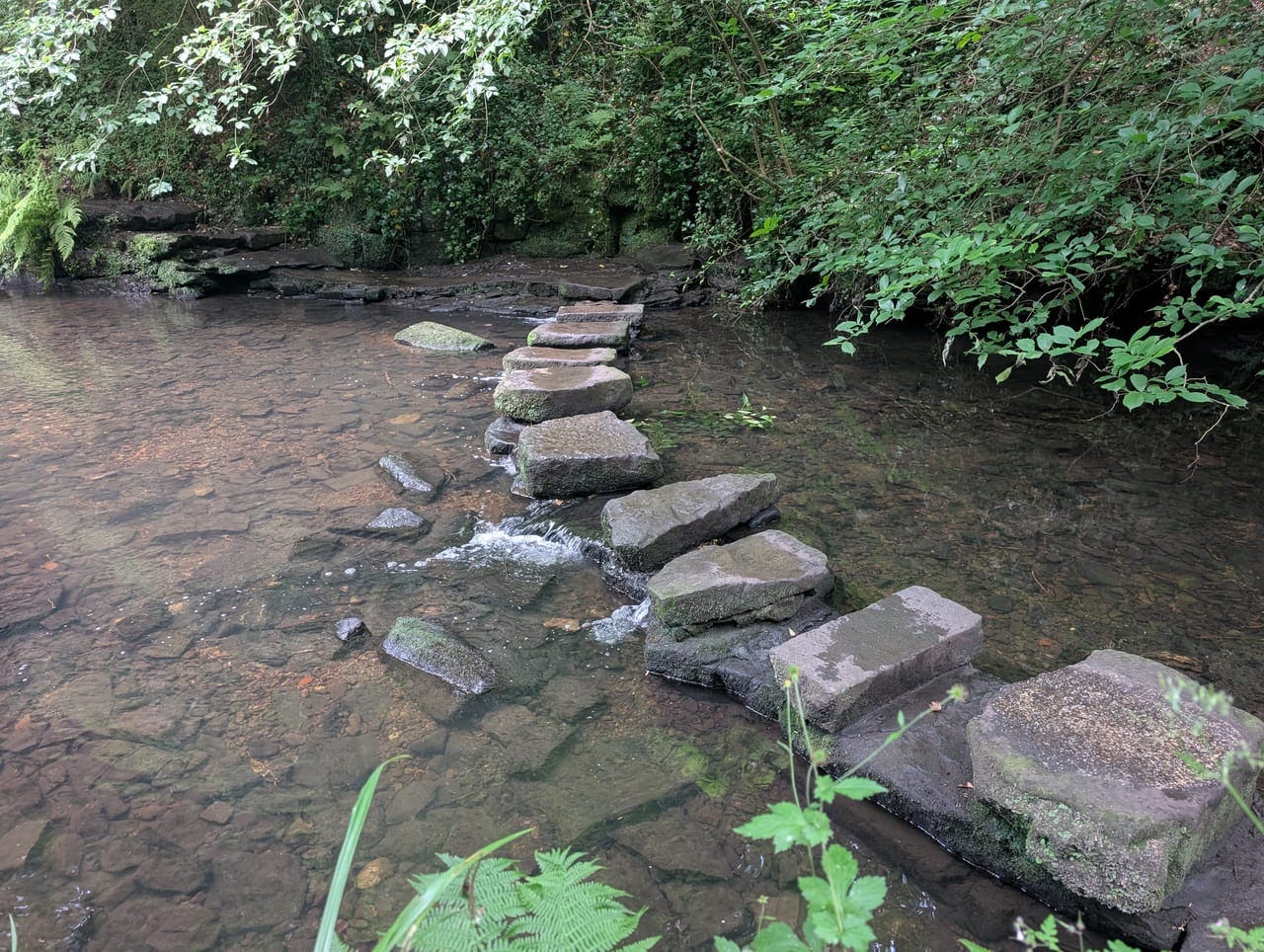
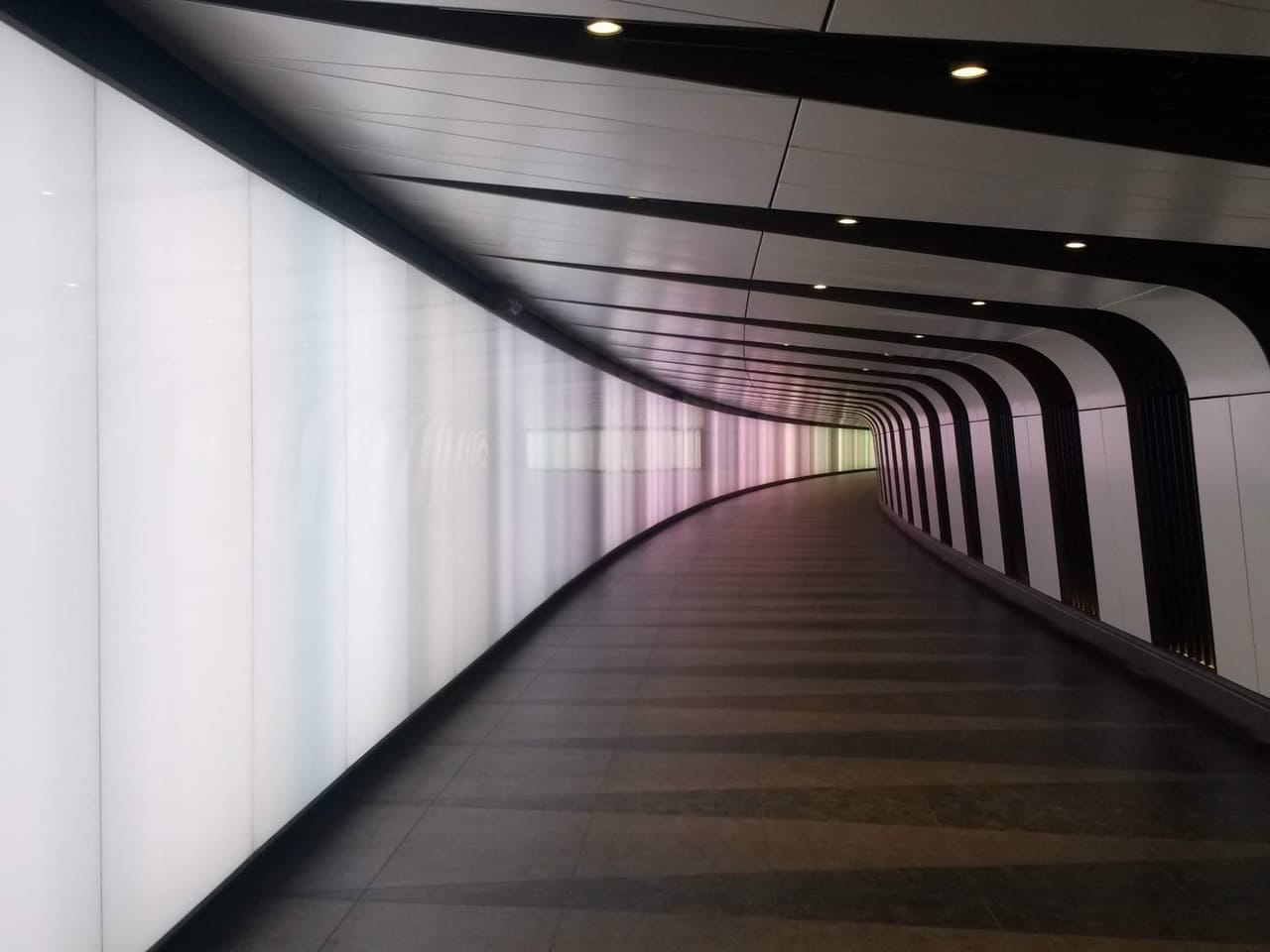
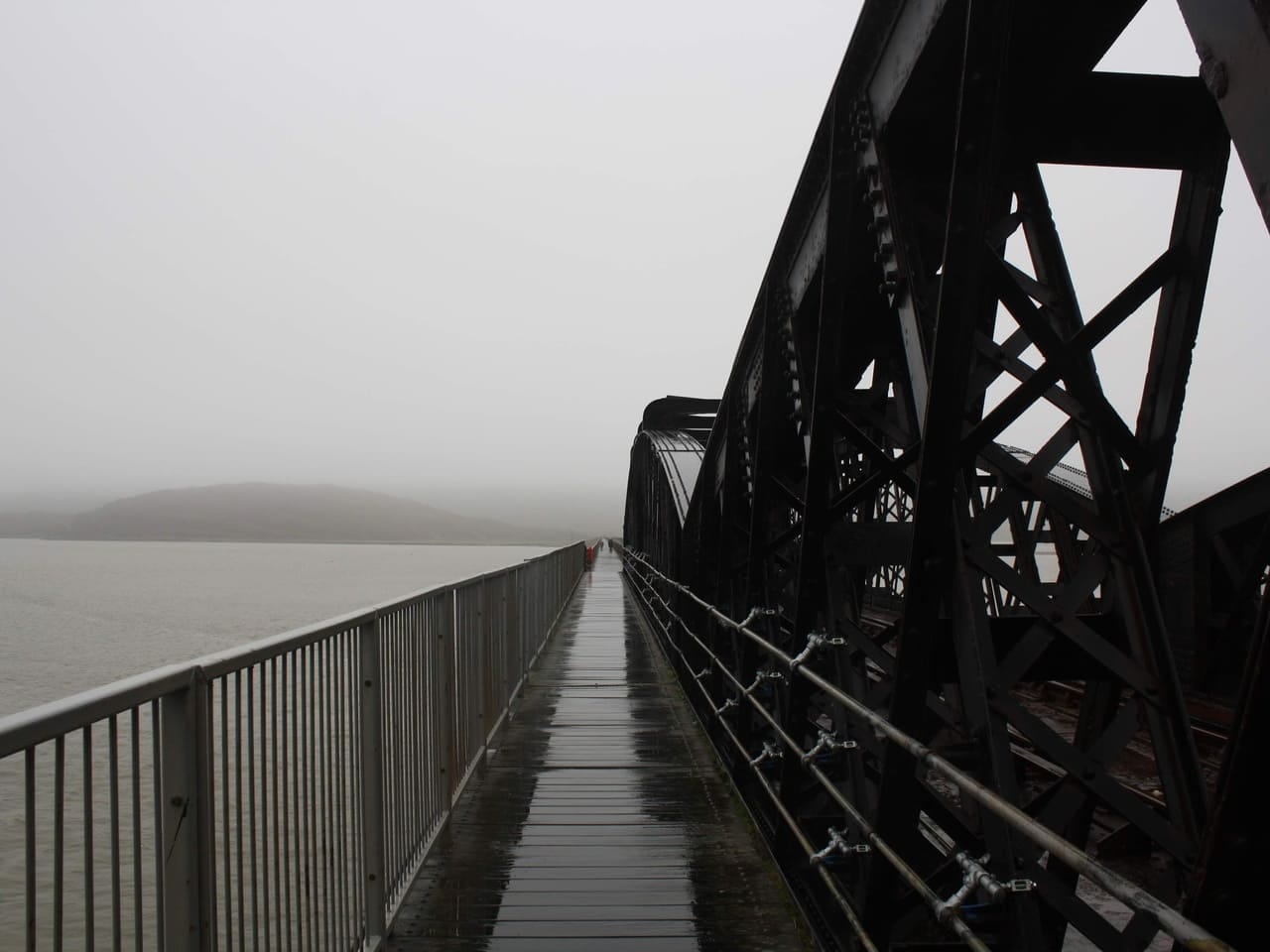
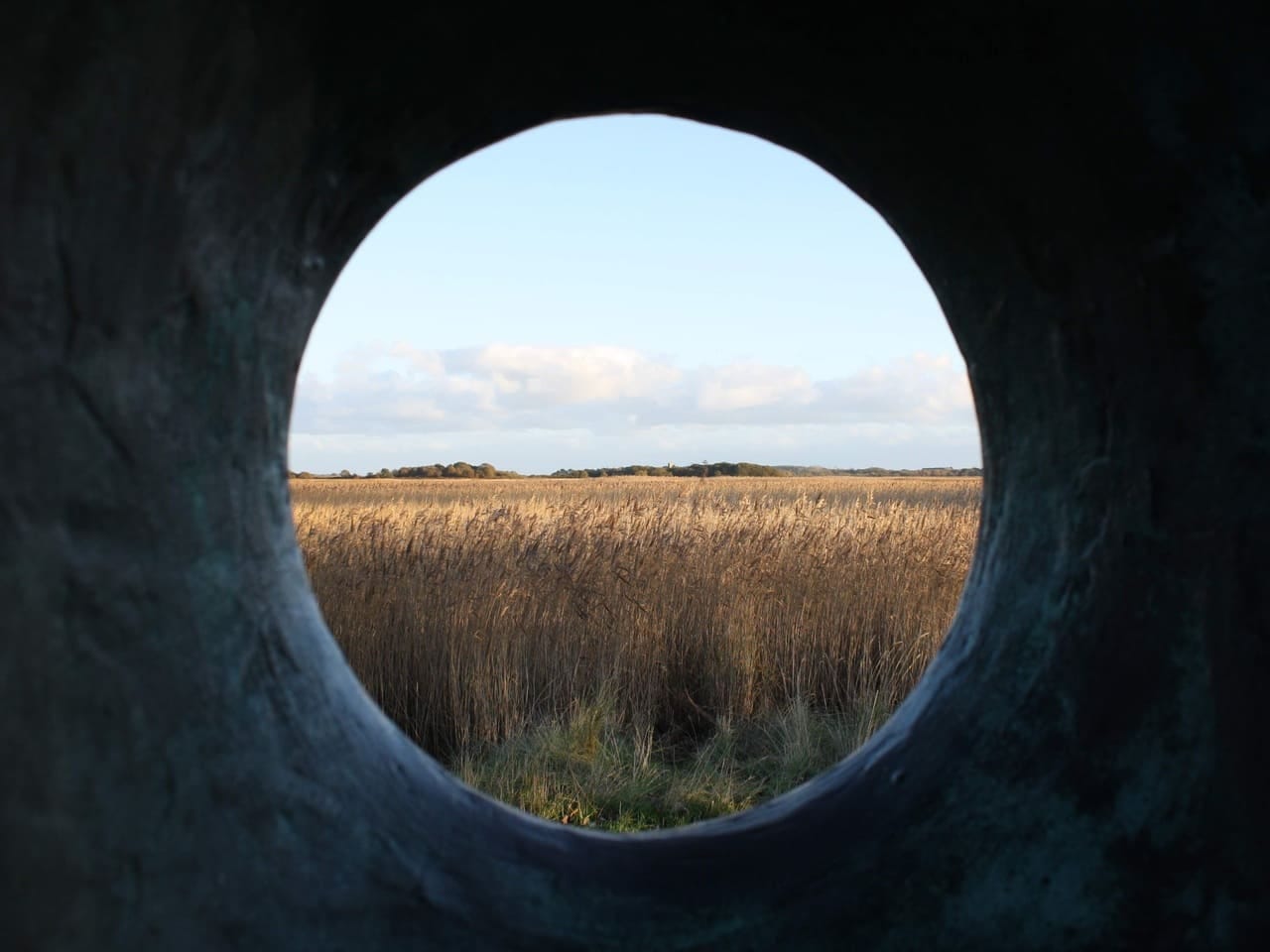
I look for horizontal paths when I travel elsewhere, too: exploring tunnels, paths and crossings, peering through openings that invite the constrained imagination to wander freely.
Flatness teaches me that meaning is not found on the mountaintop, but in the magic of meandering.