


The sophistication of our maps, satellites and trackers disguises a deeper truth. We humans are lost in the world.
On a cloudy day, when grey light is diffused across the sky, how can we find our bearings? Familiarity with the earth beneath our feet can orient us. But in uncharted land, every direction is possible. Without a compass to show us the way, we are everywhere and nowhere.
Unlike us, migratory birds, monarch butterflies and sea turtles can sense the flow of geomagnetism. Whether through photoreceptor proteins in their eyes that bend light with the earth’s forces, or tiny particles in magnetite in their tissues, these extraordinary beings know which way is north. Their biology guides their journeys.
In contrast, we humans cannot even reliably tell which way is up. Tumbled in avalanches, our bodies confuse the weight of snow for down, and many stricken mountaineers have buried themselves deeper in their attempts to reach safety. But a simple seed planted deep in the darkness does not need light to guide it. Inside specialised cells called statocytes, starch-filled organelles settle with gravity, prompting proteins to orient roots down and stems up.
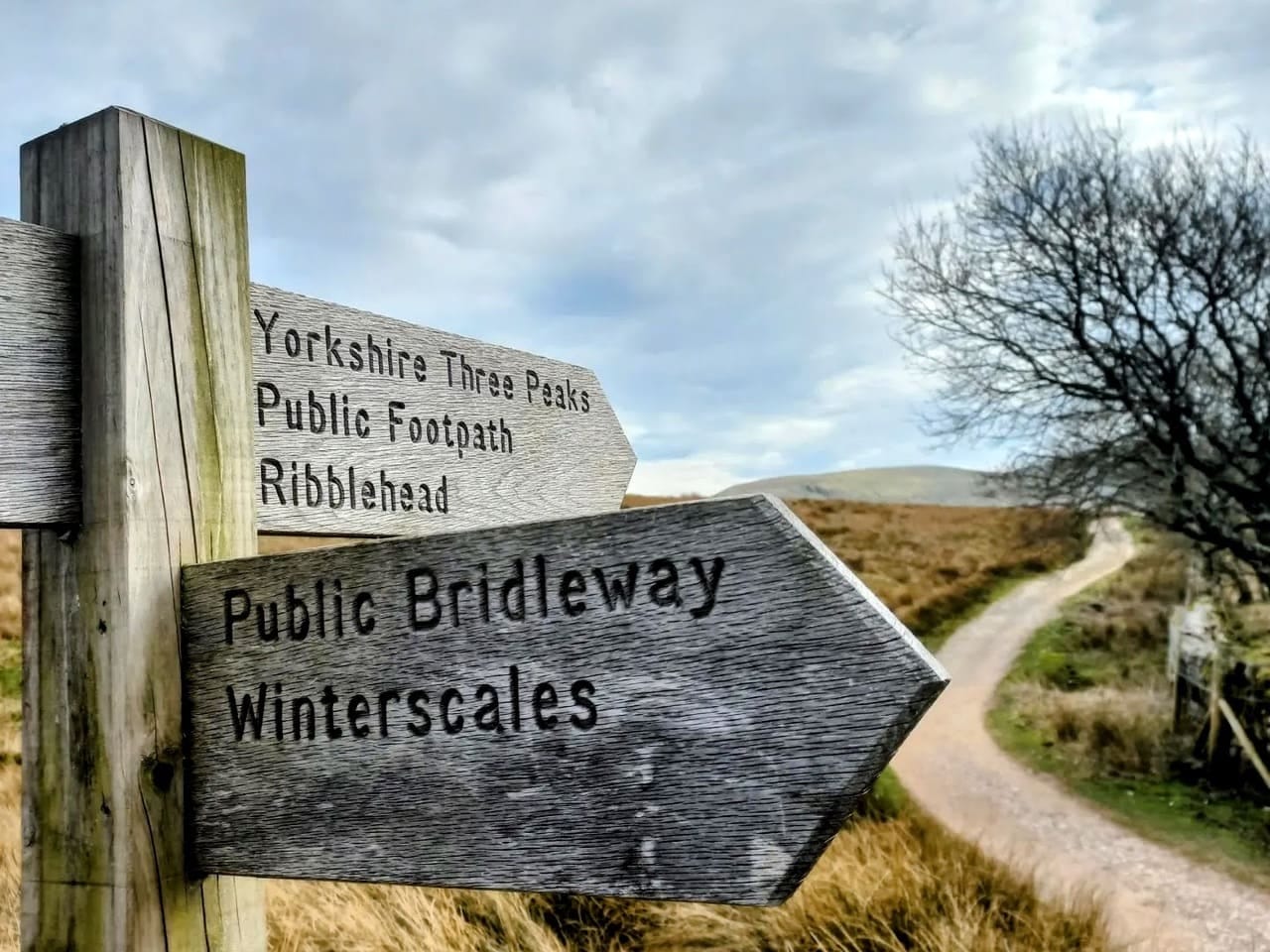
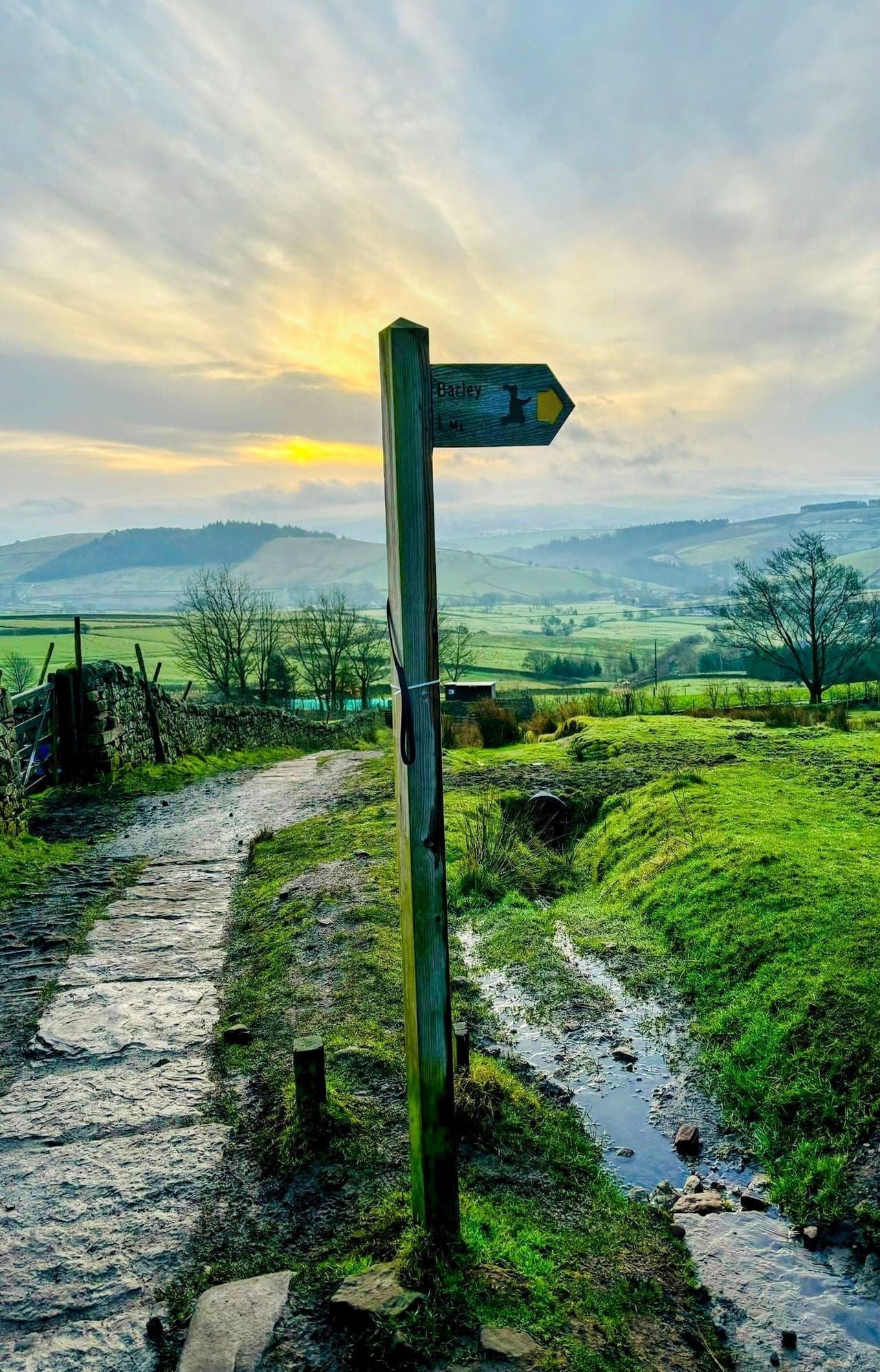
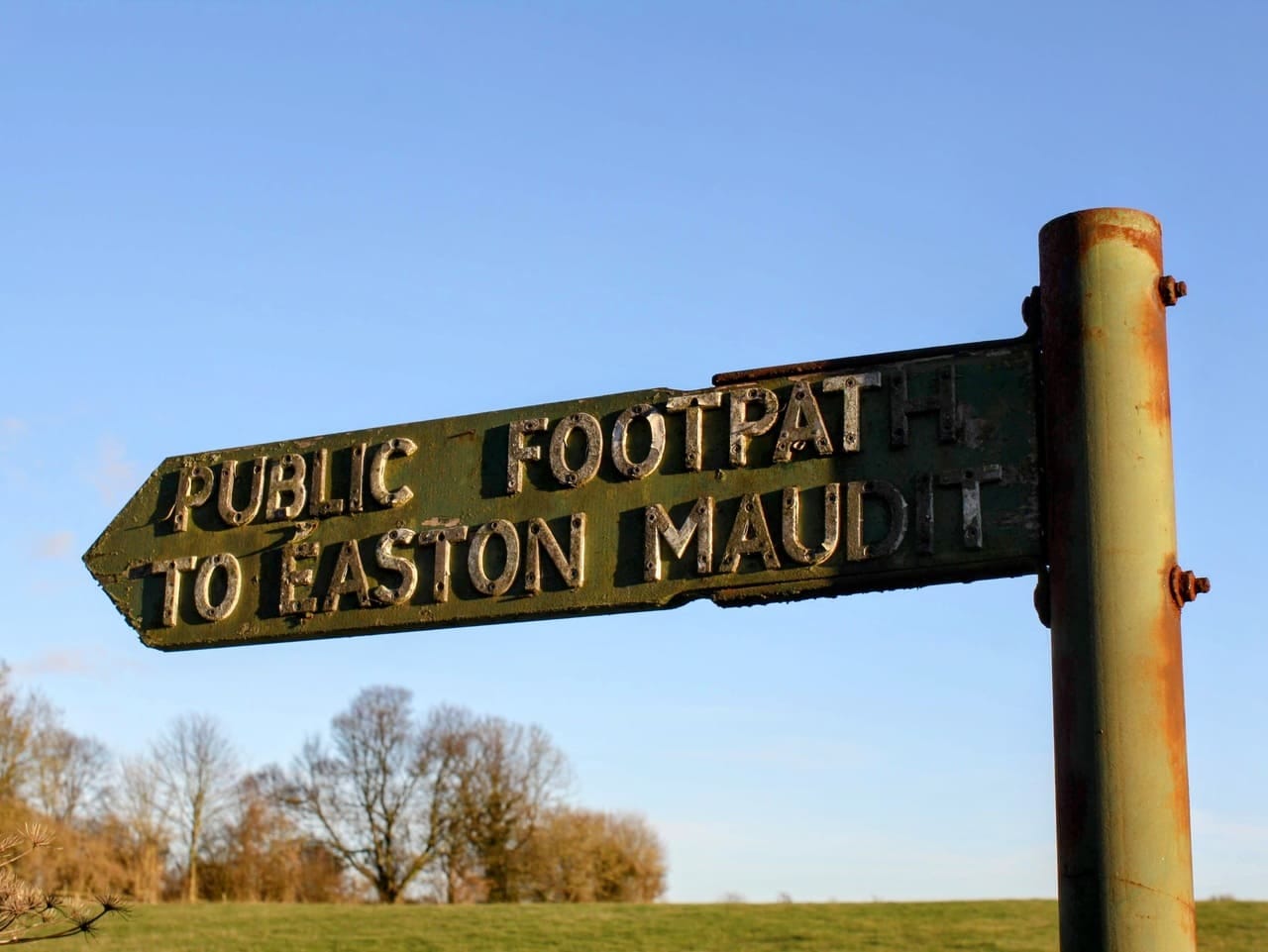
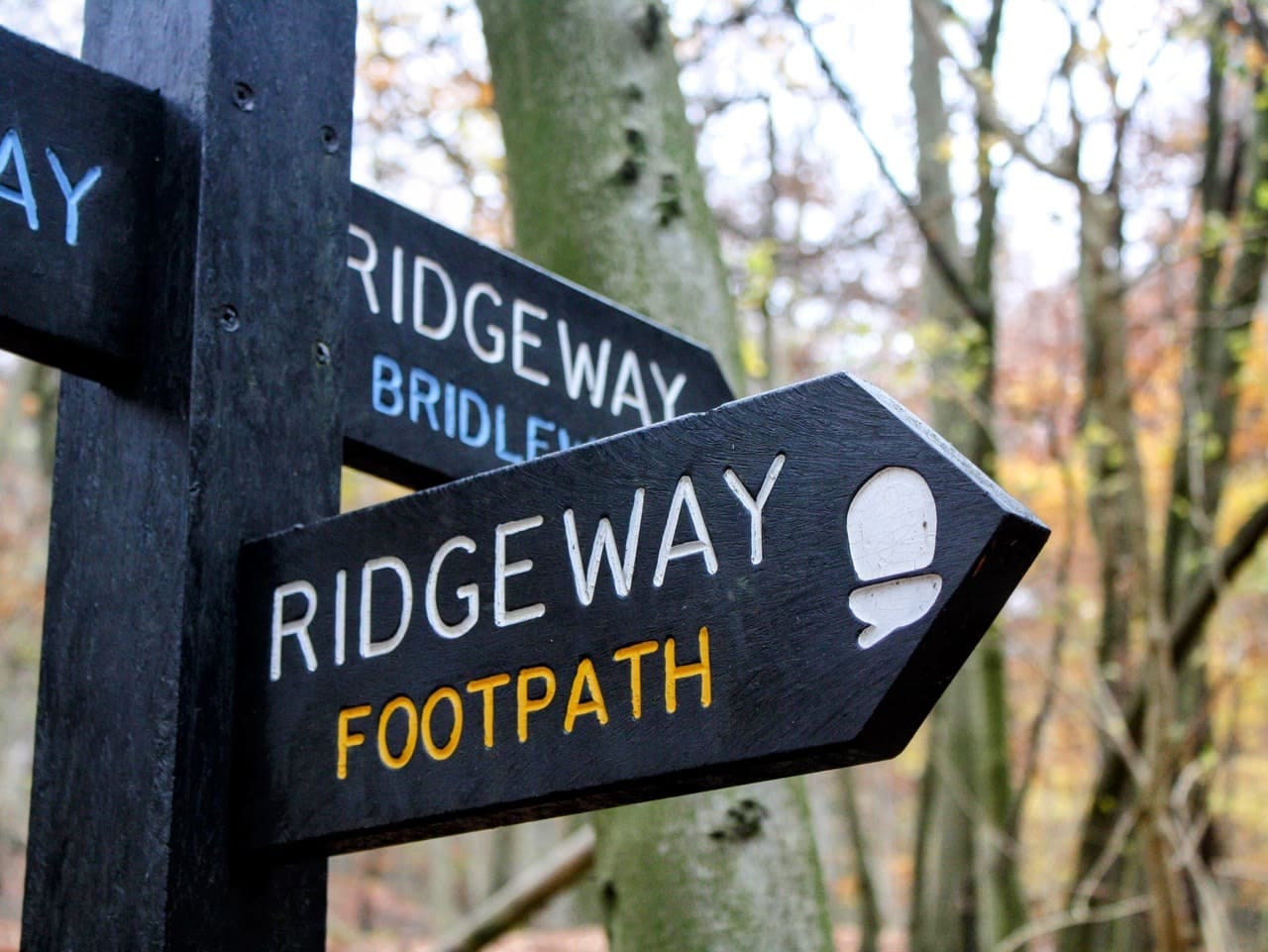
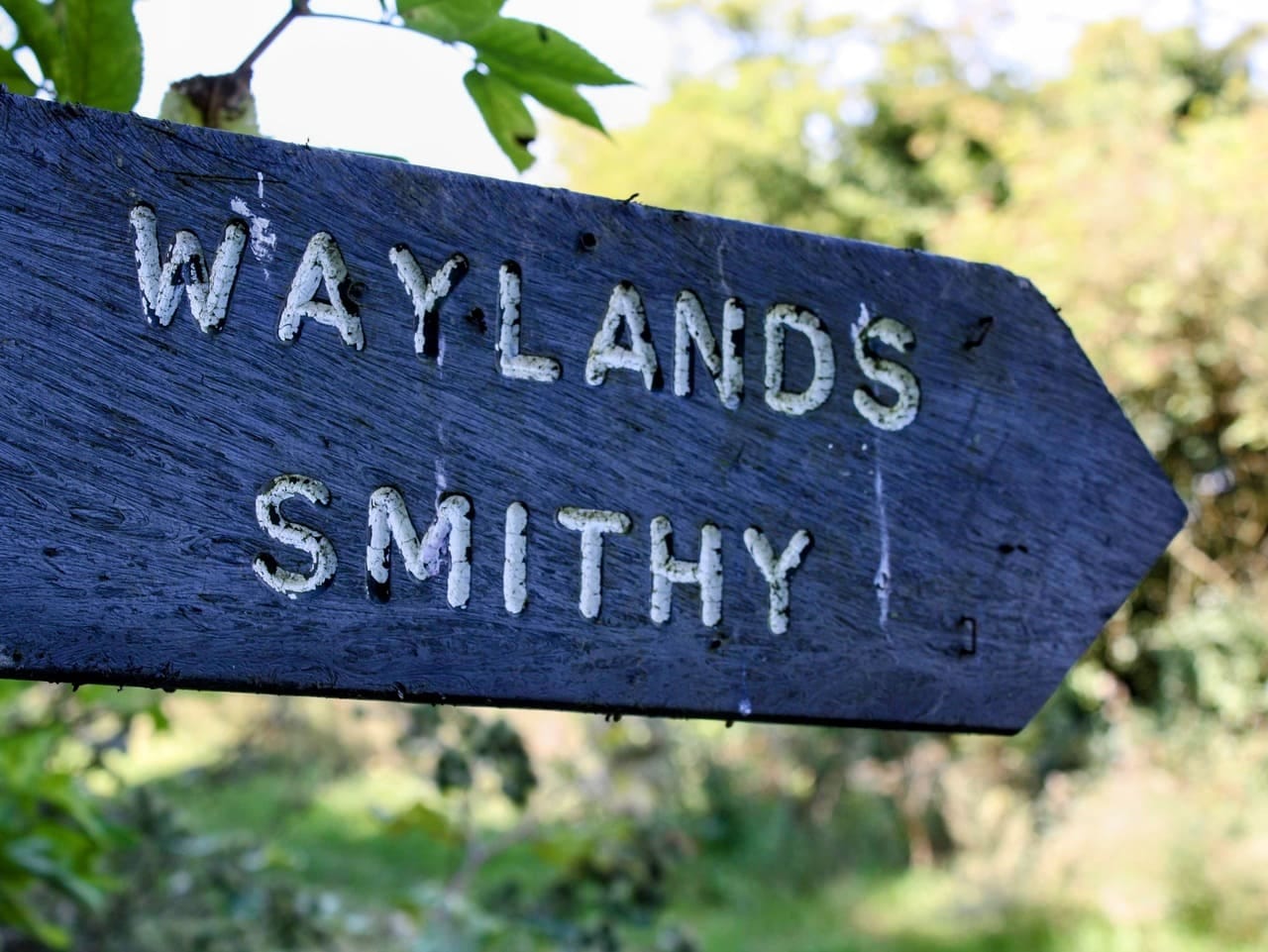
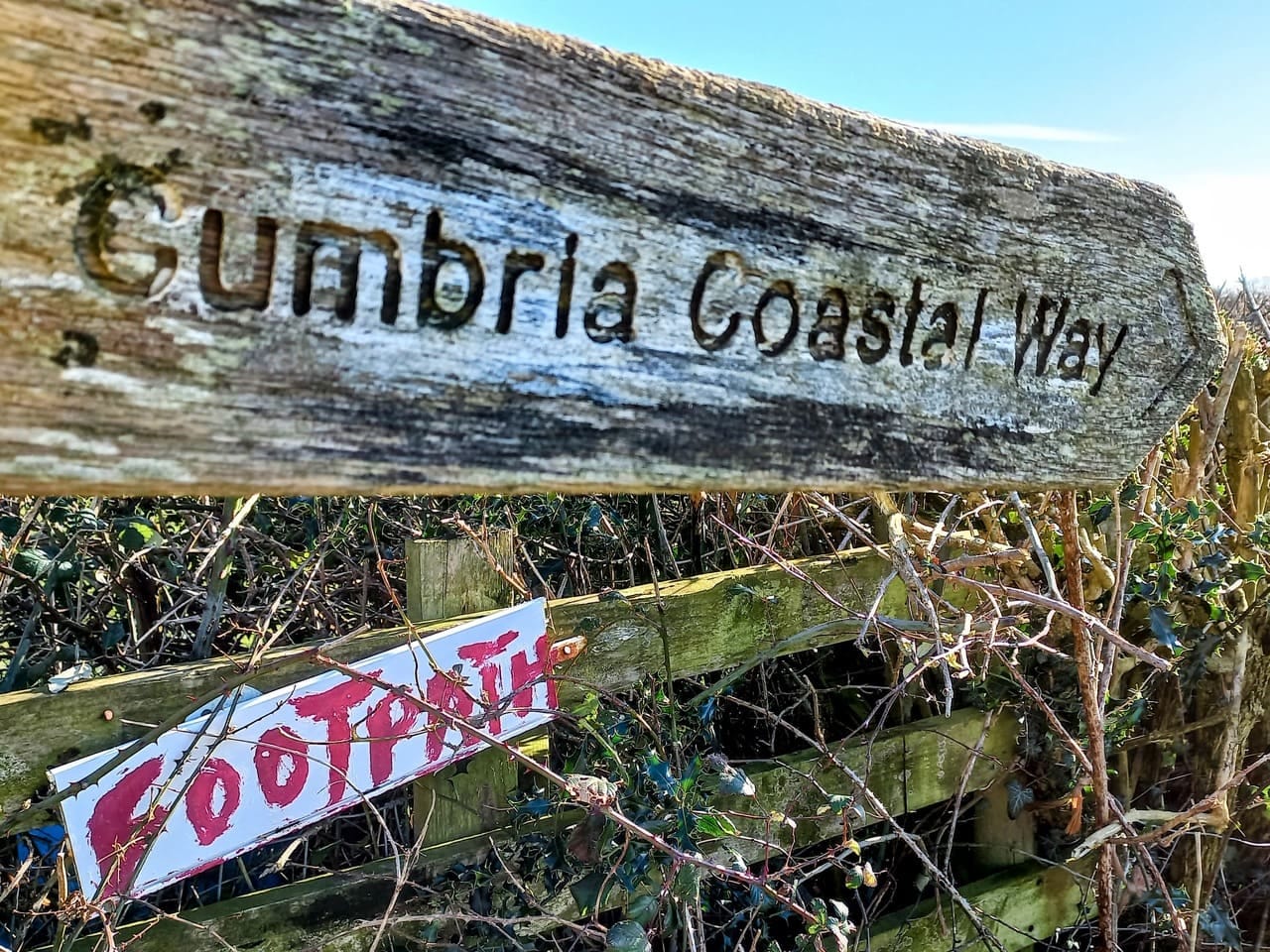
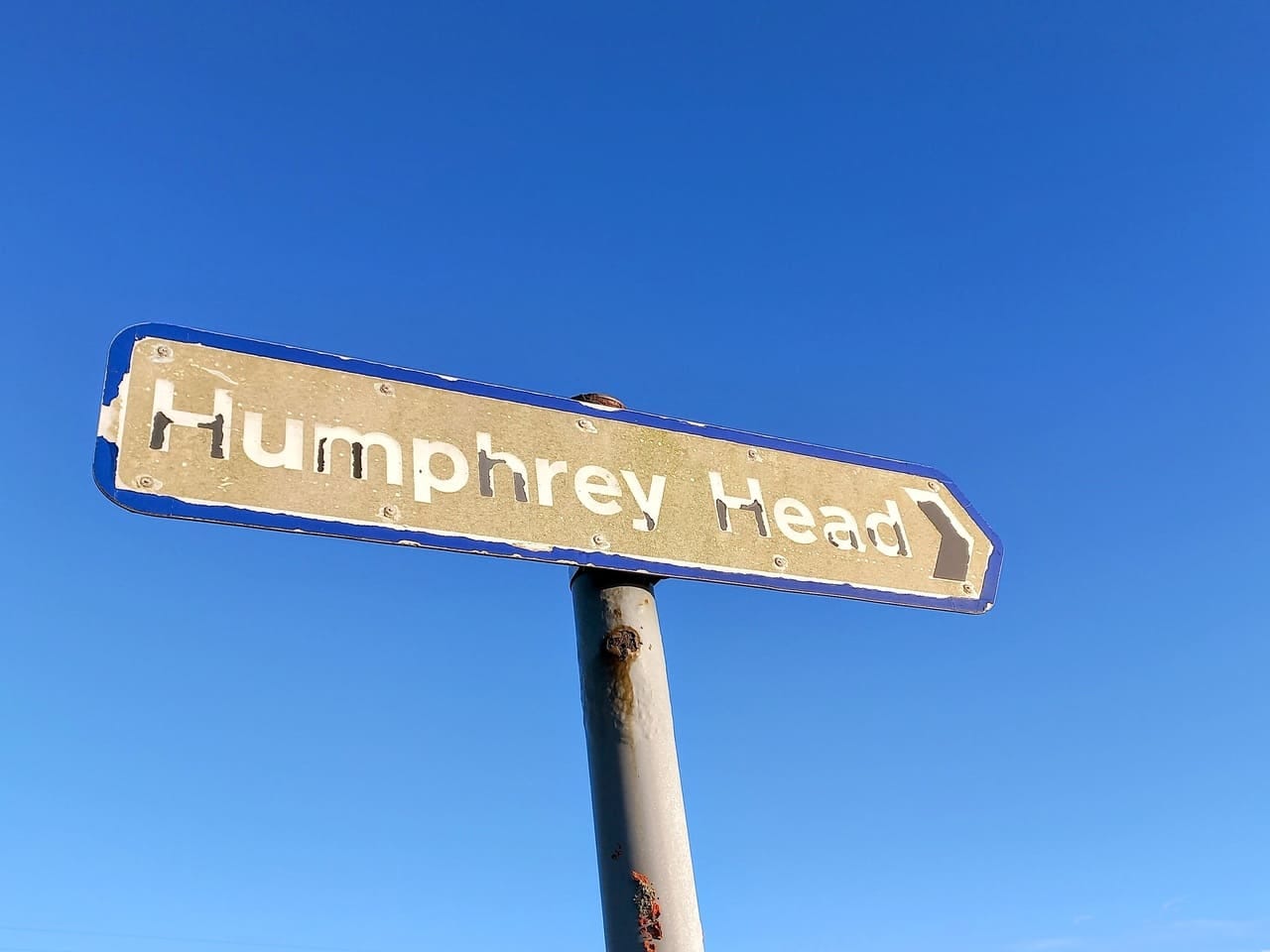
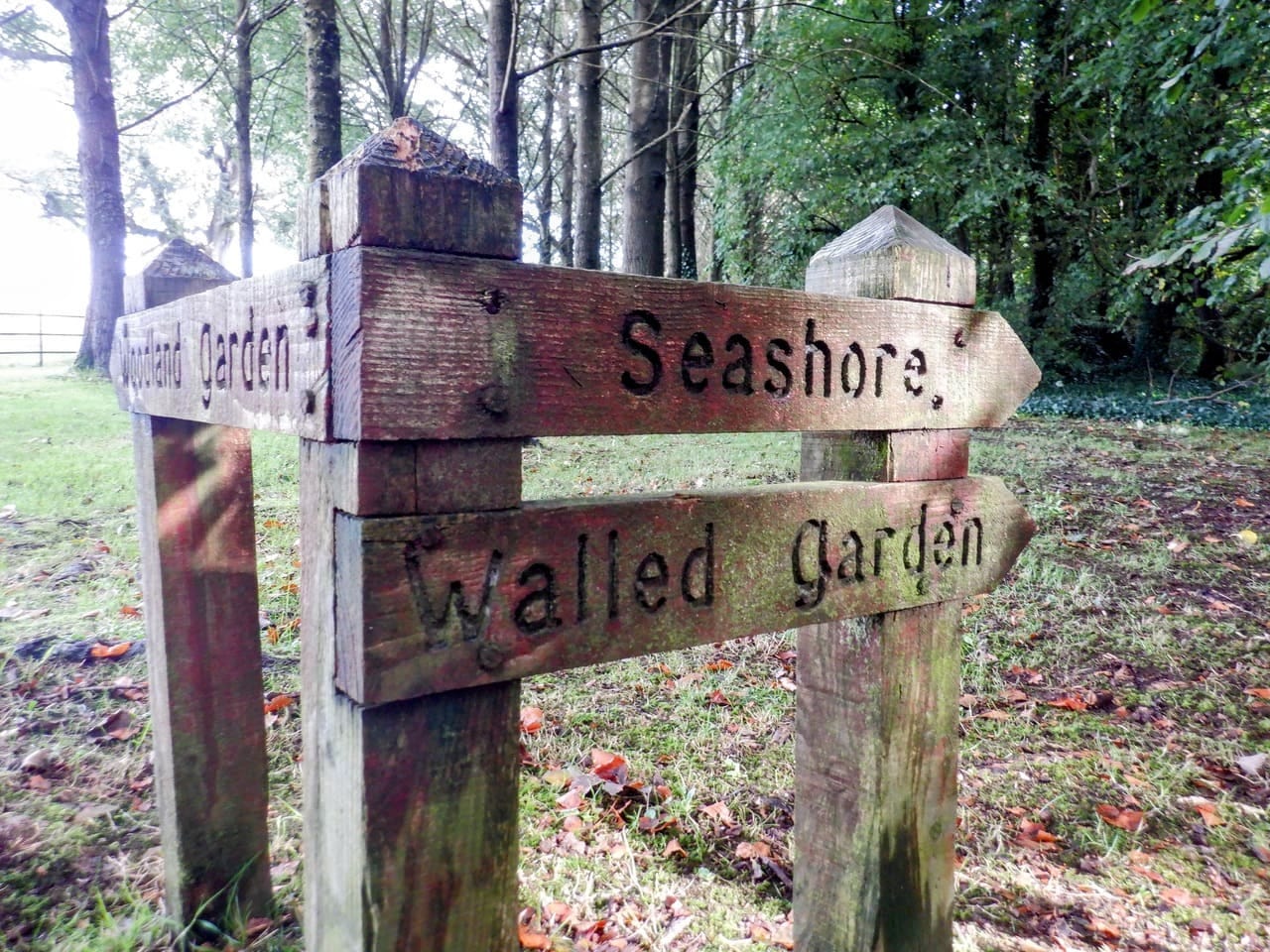
Unlike our more-than-human kin, we find our way through cooperation with one another. Those who came before us collaborated with the earth beneath their feet to leave tracks across the land. Generations of footsteps marked out the direction of their desires. And, if we are lucky, signposts stand now, rooted in the earth, to show us the ways they travelled.
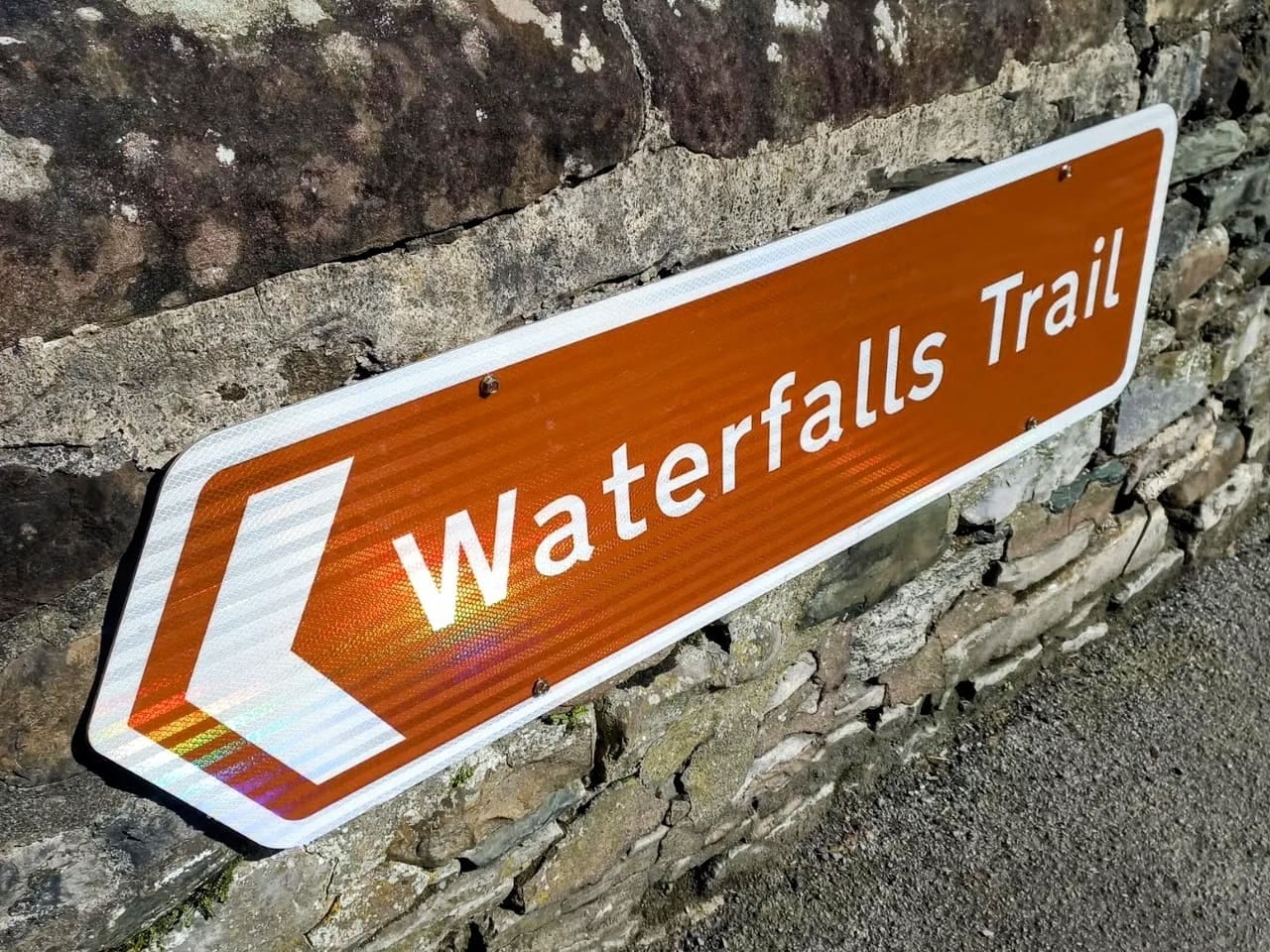
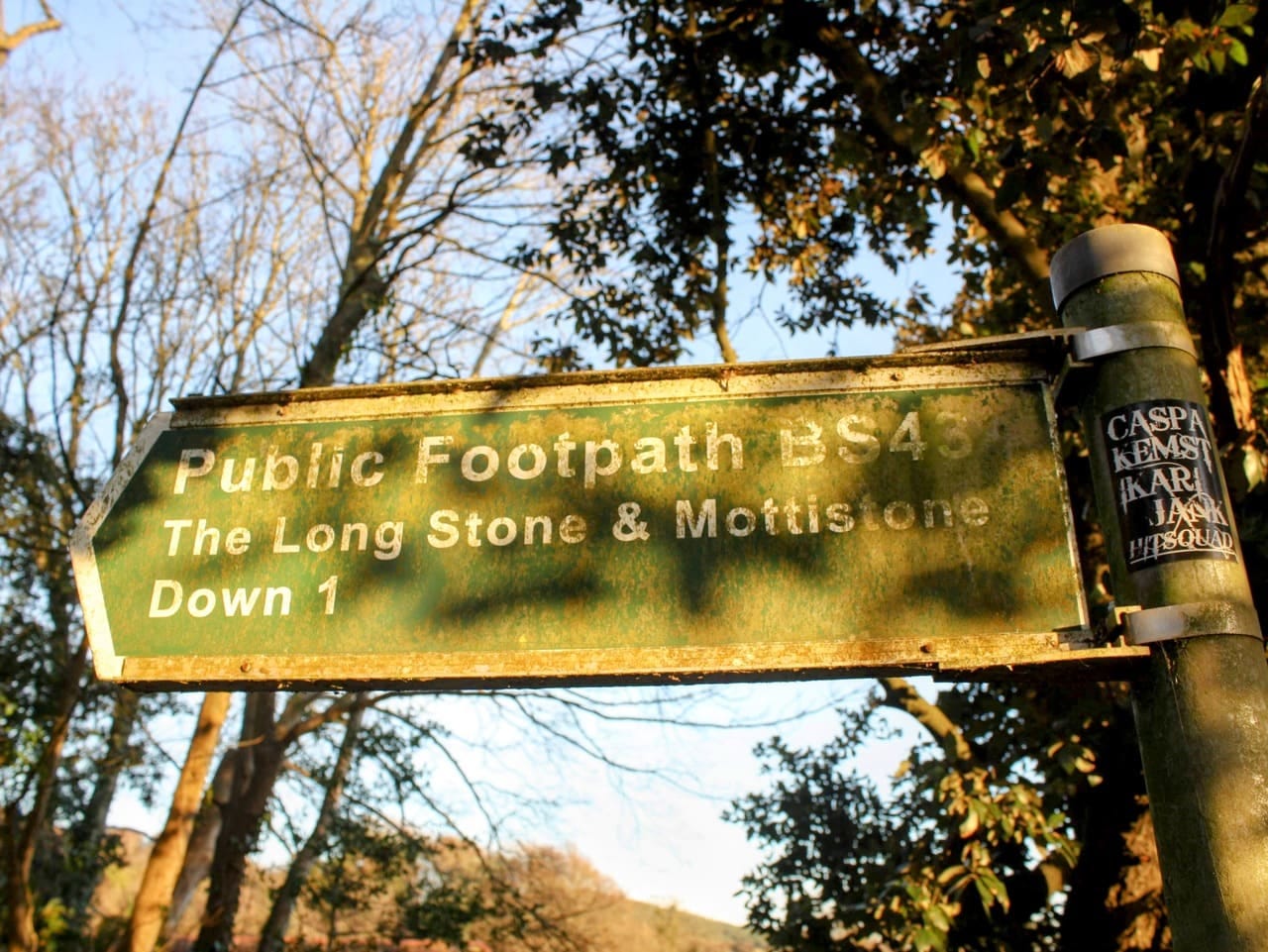
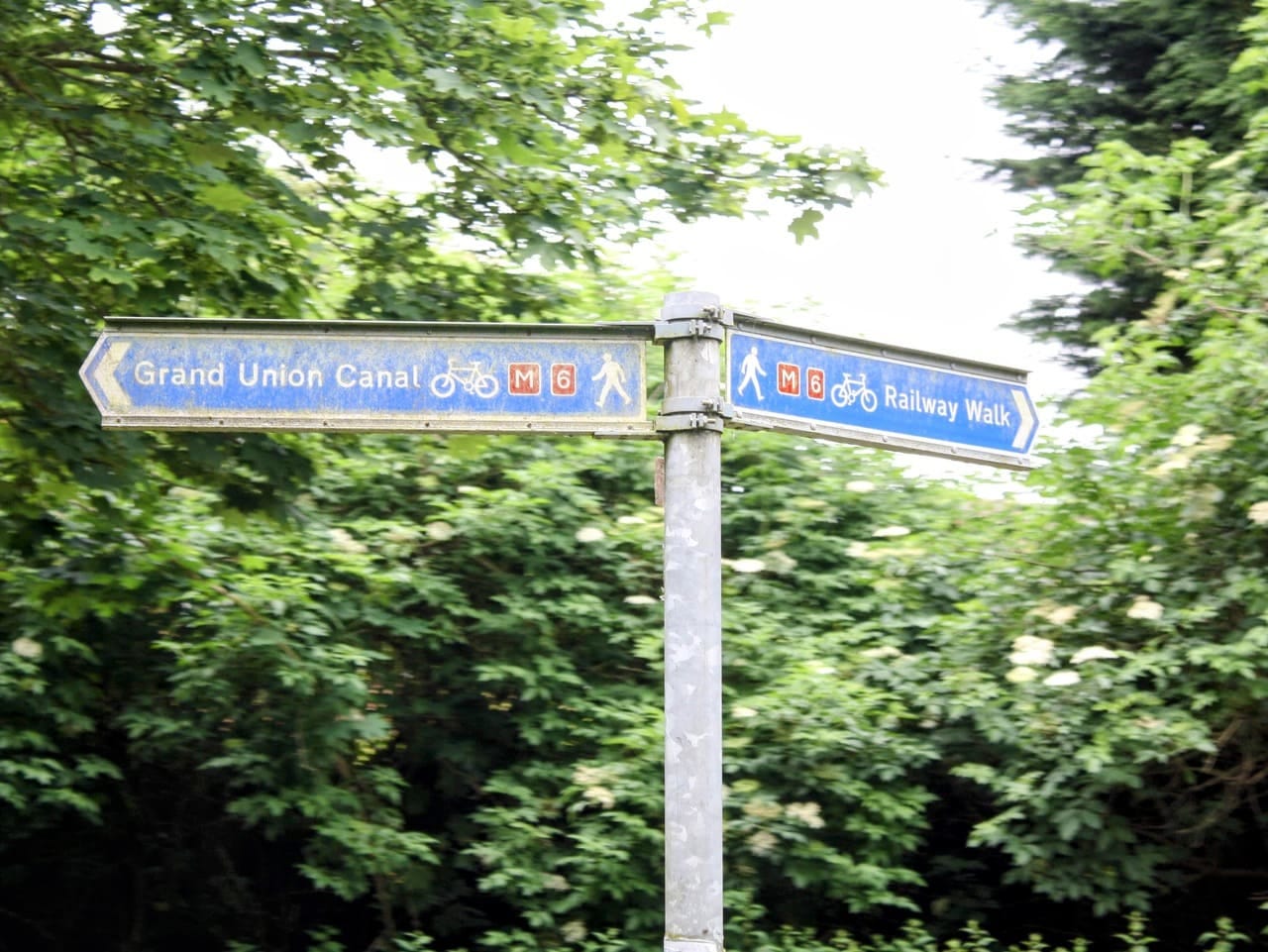
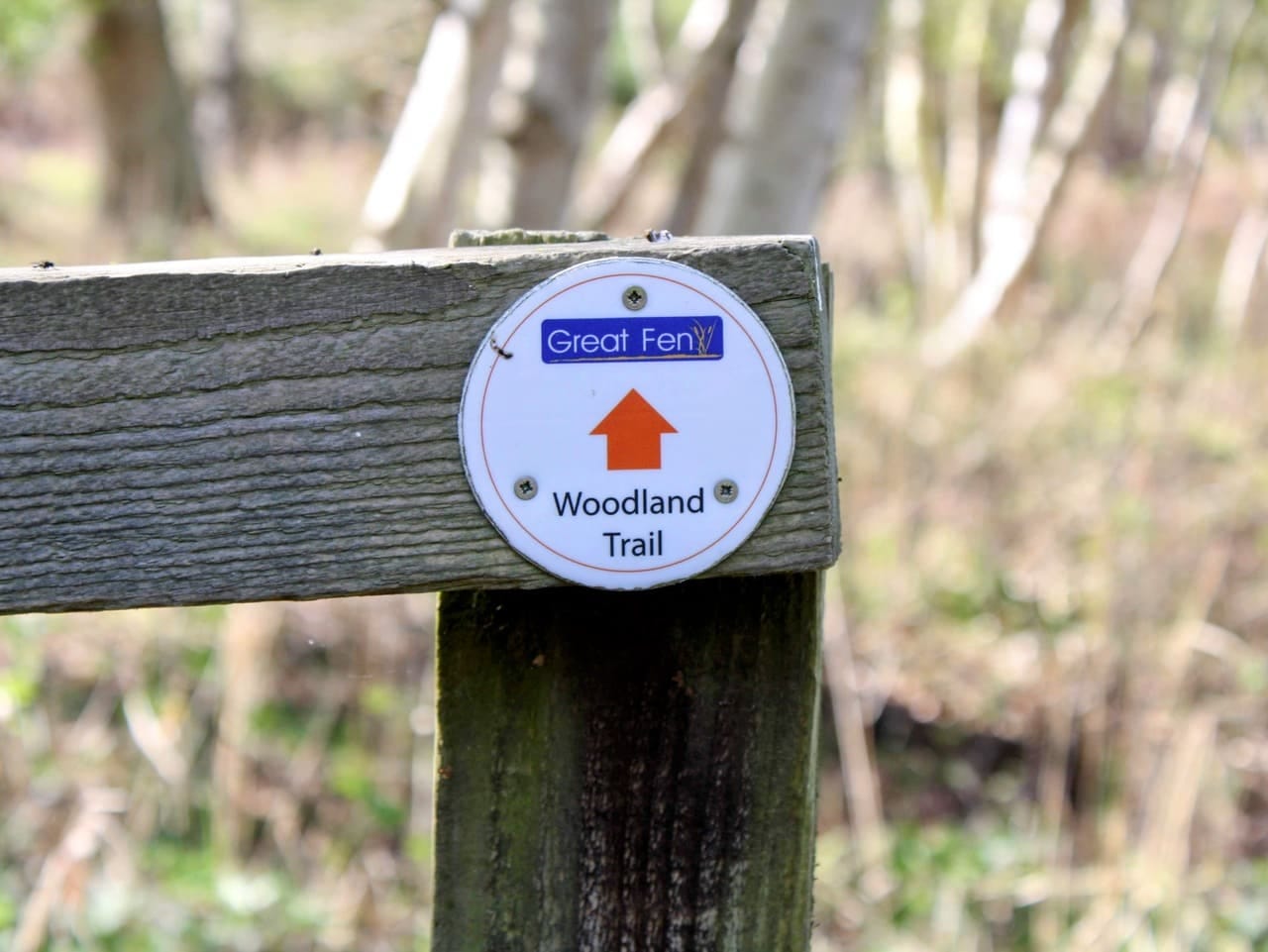
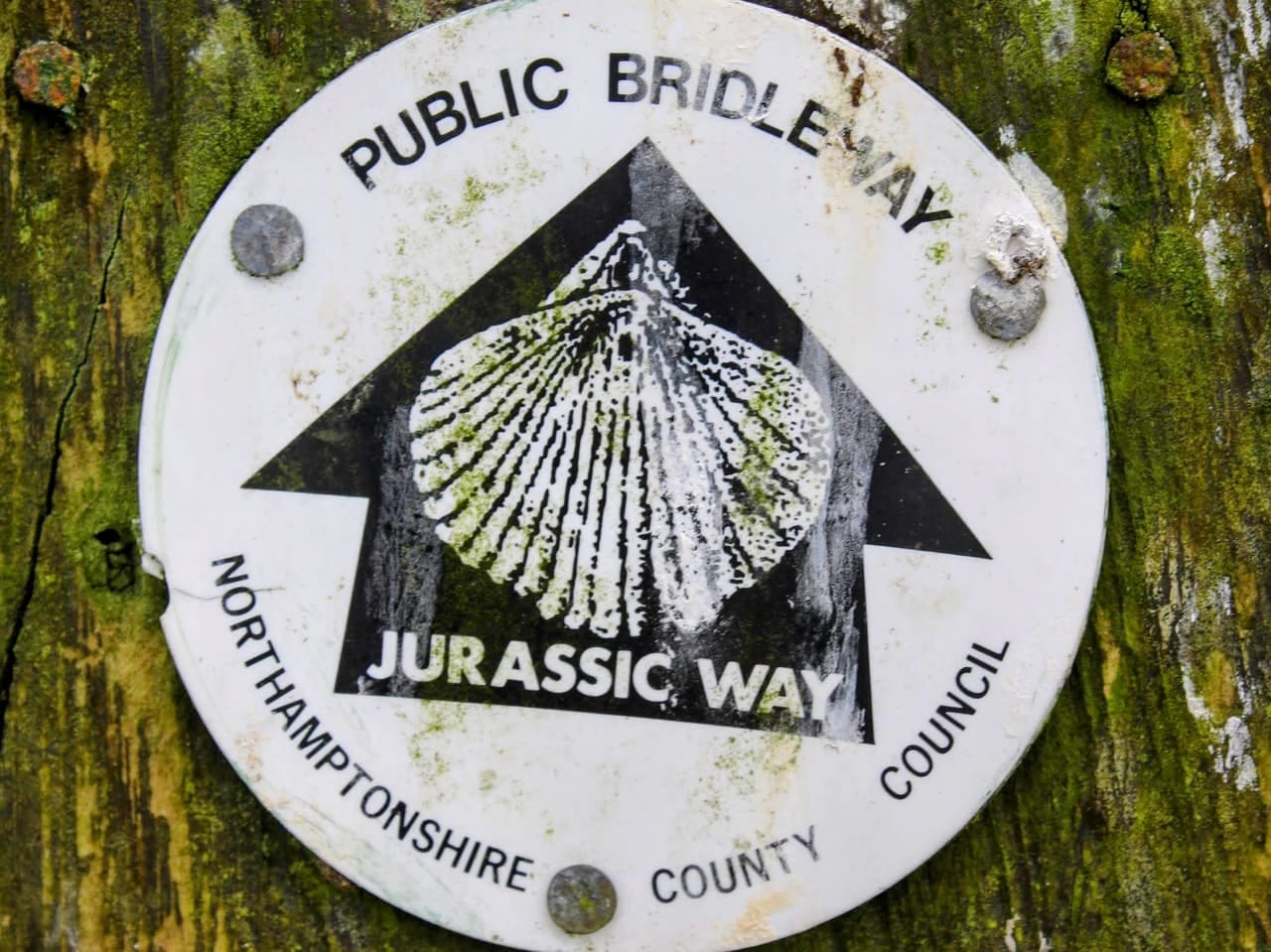
Signposts are a silent testament to the collective ingenuity of human navigation. We may not be able to sense direction in our bones, but we are unique in our ability to inscribe our shared intentions on the world around us. Signposts point the way across moors, along coastlines, up mountains, through woods. They lead us to new perspectives, turning points and unexpected discoveries.
To follow a sign is to trust in the wisdom of those who went before us. We may tread where others trod, but we make these paths our own.
Thank you for the beautiful words and images