


We often assume that a meaningful connection with nature requires muddy boots and wide-open spaces, a physical immersion in the more-than-human community. But what if the path to wonder and self-discovery isn't always found outdoors?
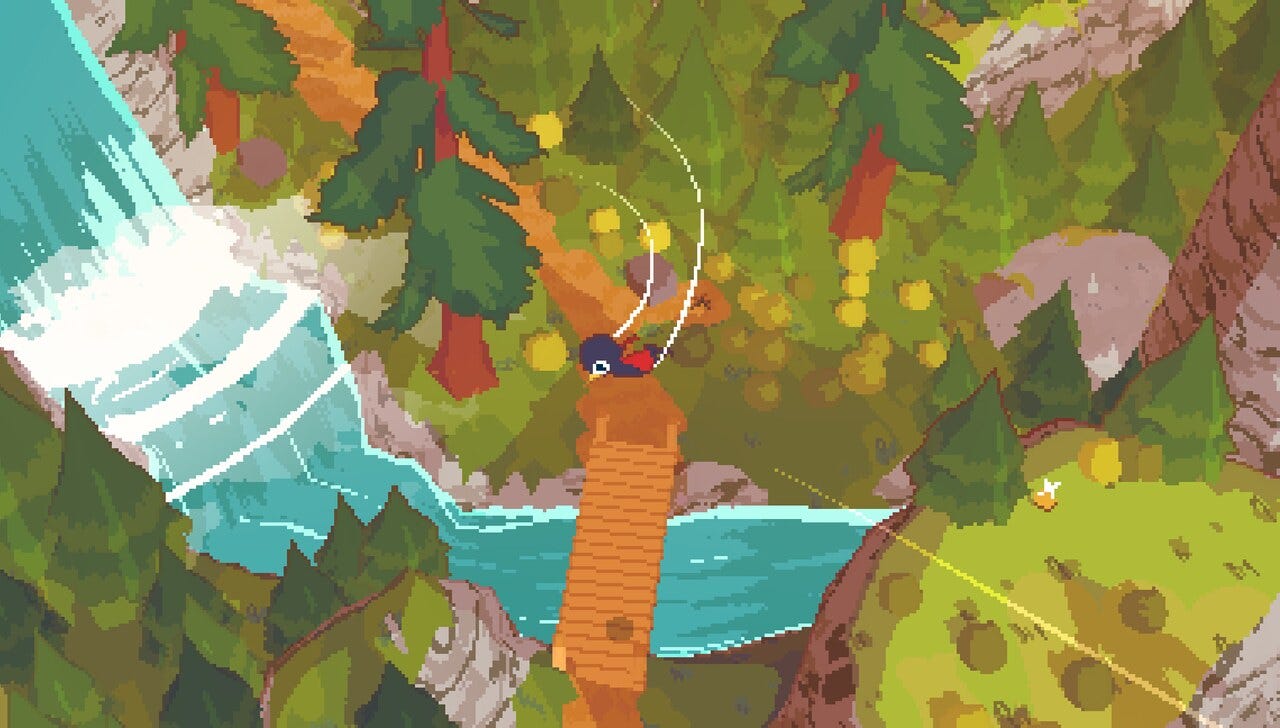
Recently, I've been exploring A Short Hike, a video game that offers a surprisingly profound journey in a virtual landscape. It has challenged my preconceptions about what gaming can offer, and how technology can be a bridge to nature connection, rather than a barrier.
So pack your bags. We’re going to Hawk Peak.
Exploring Hawk Peak
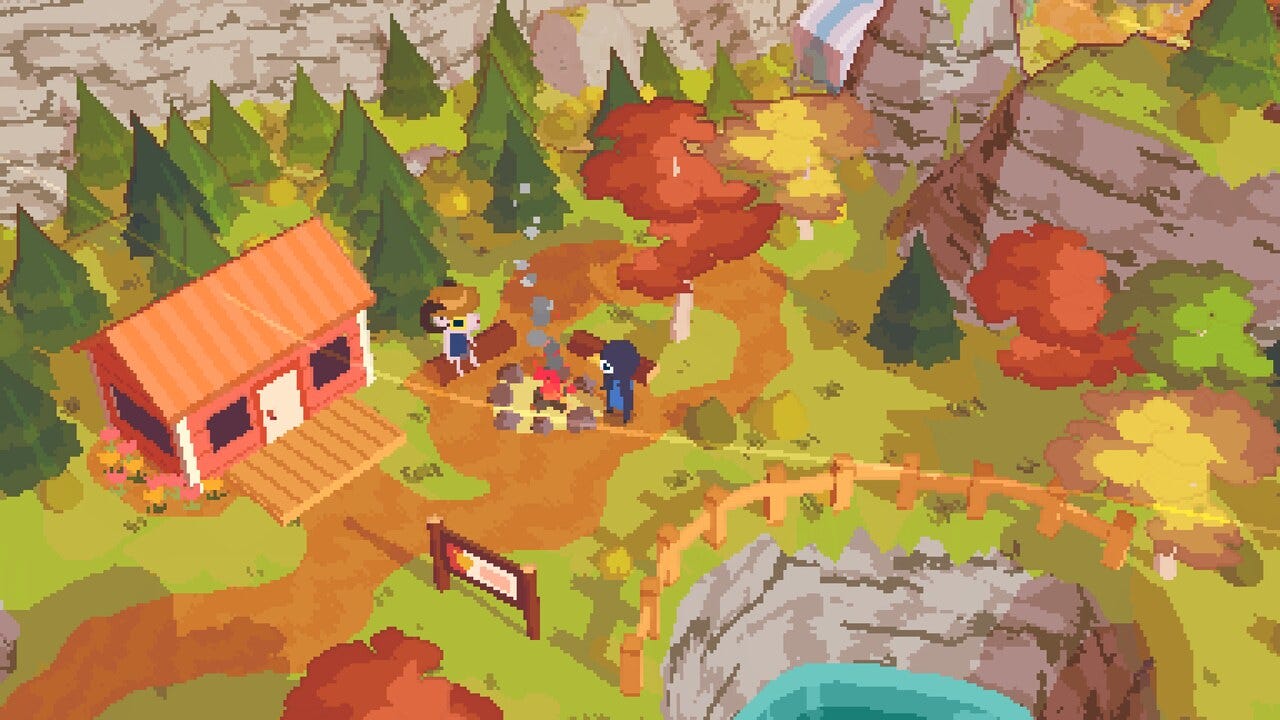
The story of A Short Hike is simple and sweet. You play the game as Claire, a young, bird-like character visiting Hawk Peak Provincial Park.
As Claire emerges from a cabin near the beach, her aunt sits at the campfire. Claire complains that she’s waiting for a call but she doesn’t have a mobile phone signal. She’ll be able to make a connection at the top of the mountain, her aunt explains. But she will have to find her own way.
What follows is the gentlest adventure, as Claire walks, swims and flies around Hawk Peak. Reaching the top of any mountain needs stamina, and in the game, it comes in the form of collecting golden feathers. Along the way, Claire meets fellow holidaymakers, park rangers and fellow walkers. She can learn to fish, play stickball on the beach and search for shells. She keeps her eye on the prize of the mountaintop, but there are countless diversions along the way.
A Short Hike is a short game. Keeping distractions to the minimum, I could easily have reached the summit in a couple of hours. But with no map to guide me, only signposts on the trail, the urge to wander soon took over. I lost a happy day strolling through the woods, peering through telescopes, climbing hills and searching for treasure.
What I loved most about A Short Hike was the cozy safety of its playfulness. There were no serious dangers, no monsters lurking, no jump scares. The other characters Claire met were, for the most part, friendly and helpful. The background music changed and evolved as she moved through the landscape. It was immersive, beautiful and utterly transporting.
It felt just like going for a short hike.
Searching for connection
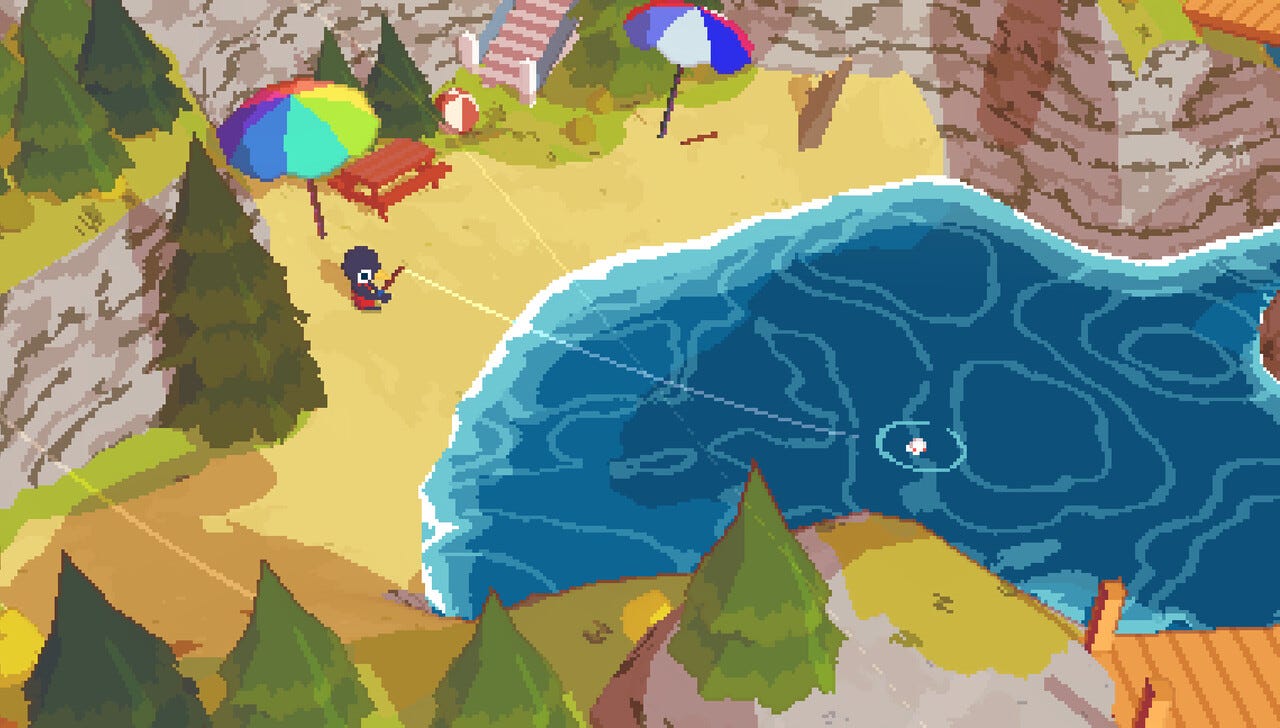
A Short Hike is the creation of Adam Robinson-Yu, a Canadian indie game designer. Inspired by his own hiking trips, he wanted to capture the simple joy of wandering in nature. I think he did an outstanding job, and countless positive reviews agree. For me, the game distills the inherent curiosity that drives an exploration of the world.
Claire’s quest is motivated by her lack of a phone signal, and in that way, she is the perfect protagonist. Cut off from technology, she finds new connections on the trails of Hawk Peak. Her experience in the game demonstrates how players can navigate from a world of pixels and signals to a world of trees and rivers. She’s not just a video game character; she’s a role model for nature connection.
Research shows that images in games can foster a sense of connection with nature, even among those with limited access to green spaces. The experience of wandering in a virtual world can be a gateway to finding an embodied connection with the more-than-human community of nature, inspiring birdwatching, short walks and curiosity about being outdoors.
And the truth is that much of our understanding of nature connection comes not from being in the living world but through exposing research participants to images and videos. That’s one of the limitations of academic psychology’s approach to controlling variables. In the search for answers about how nature changes people, so many studies are conducted in the sterile environment of classrooms and laboratories. It’s rare to encounter deep explorations of the qualitative experience of being part of the complex, more-than-human community of life.
But I think, stripping away the limitations of research methodologies, the countless psychological studies of nature connection point to a surprising truth. An image of nature can foster love for the earth as profoundly as the windswept view from a mountaintop, a chilly walk under a starry sky or an encounter with an ancient tree. You can love the world through a TV screen, and the phone in your hand can be a guide on the path.
Going outside
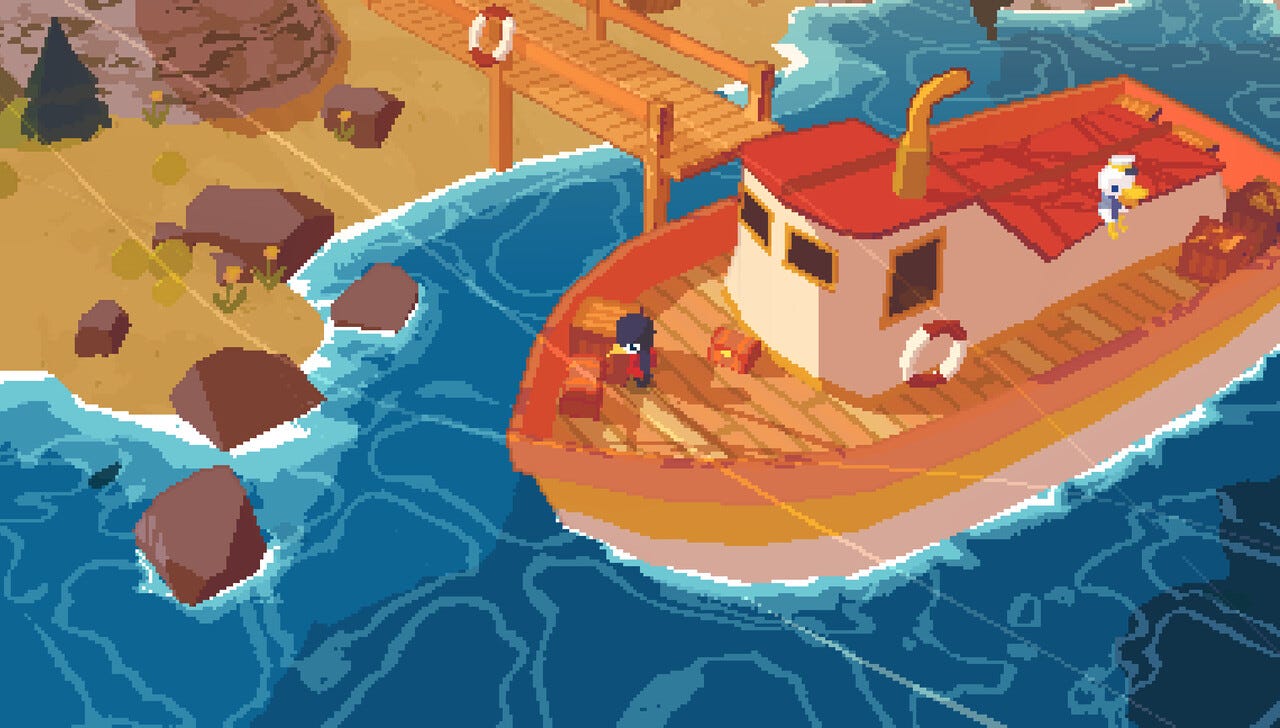
A decade ago, a phenomenon swept the world of gaming out of bedrooms and onto the streets. Pokémon GO encouraged millions of players to start walking for the first time, discovering parks and making friends outdoors as they hunted for Pokémon in the real world. Technology in hand, gamers became explorers. Research found that steps increased, moods were enhanced, and new communities were created as people found real-world connections.
The effects of Pokémon GO sadly didn’t last. As the novelty of the game waned, many retreated indoors again for the next on-screen adventure. But the game demonstrated the potential that technology needn’t hinder connection with the outdoors. A video game can be a bridge to discovery and wonder.
Many of us are rightly concerned about the impact that technology has on young people’s experience of the world. Over the past few decades, outdoor activity has sharply declined as screen time has increased. Children today spend less time outside than high security inmates. Sedentary activities shorten our hamstrings and our lives. But gaming is not wholly to blame.
Parental anxiety, unwalkable cities and academic pressures trap young people inside. Rather than being a cause of the problem, gaming and screen time are a consequence of the decisions we’ve collectively made.
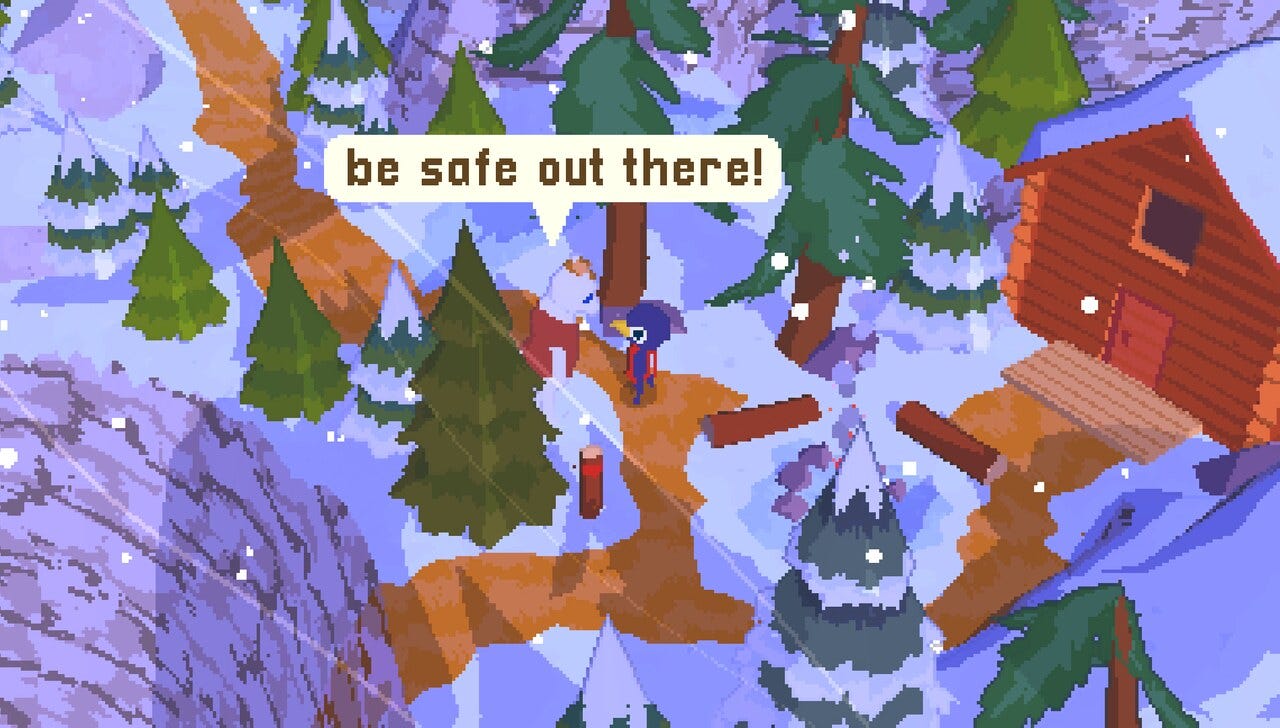
We’ve created a world in which we fear we are not safe to wander.
Seeking balance
I used to be strongly anti-gaming. I dumped a boyfriend once because he loved Call of Duty more than he loved me. “Xbox, ex-boyfriend” became my relationship mantra for a while.
And in my hunt for a deeper experience of life, I got rid of my TV, gave up my smartphone, and even stopped using a camera.
I earnestly believed that technology was the problem.
Of course, there is nothing quite like the fully embodied, sensorially rich experience of being wholly in the world. Whenever nature is encountered in a video game, a TV documentary or a book about walking, it’s a flattened abstraction of a complex reality. But it is still nature.
There are many good reasons that spending time outdoors can be difficult, even impossible. It’s not just that many of us lack easy access to places that inspire and uplift us. Disability, illness and injury can make outdoor adventures painfully demanding. Caring responsibilities and the pressures of daily life can limit our freedom. Relentlessly bad weather can trap us inside. And sometimes, the call of the sofa is stronger than the call of the wild.
While I love being outside on a walk, I’m a pragmatist, not a romantic idealist. Walking can be hard. So how can I maintain the threads of connection that root me in the community of nature, even when I am separated behind the walls of my home? If I listen closely, echoes of the living world still can reach me in art, music and literature. And yes, even in gaming.
Rather than being a barrier to connection, technology can be a vital lifeline.
Moving between worlds
If you’re frustrated by a teenage gamer who spends all their time indoors, it’s important to approach them without blame. They’ve just doing their best in a world we’ve created. They don’t have to be like you for you to like them. They may not share your passions, but life is long and things change, so be patient.
My son is an adult now, but I used to worry about the time he spent on his computer. Technology became a battle ground, but even as I wrestled a controller from his hands, I failed to see how it enriched his life. Today, he’s a data scientist, building a great career and living his life well. He humours me occasionally by coming for a longer walk, and he enjoys exploring his local park. He’s finding his own path through life.
And you can embrace the benefits of nature connection without demonising technology. Phones away doesn’t have to be a requirement for exploration. Teenagers today carry cameras in their pockets that would have been the envy of wildlife photographers only a decade ago. Encourage their curiosity, whether it’s documenting colours, looking at leaf patterns or capturing cloudscapes.
And buy them a copy of A Short Hike. In fact, buy it for yourself. Exploring a virtual world can be a rewarding and connective joy, just as much as a muddy trail.
On the days when the outdoors is beyond reach, nature can still find you in pixels.
Look out at the green not at a screen…this is just another step down the slippery slope towards trans humanism….if you want to connect with nature simply connect with yourself because, guess what! You are nature….no need to step outside, no need for a screen, simply close your eyes and listen inwards, even for the time of one in and out breath..